
How Oncology Services in St. Petersburg Help Families Too
Cancer is not a journey that only one person goes through. When someone receives a cancer diagnosis, the entire family feels the impact. Emotions, daily routines, finances, and future plans can all change suddenly. This is why modern cancer care focuses not only on treating the patient but also on supporting the family that stands beside them.
Today, medical centers offering Oncology services in St. Petersburg, FL understand that healing involves more than medical treatment. It includes emotional support, education, guidance, and compassionate care for both patients and their loved ones. At Comprehensive Hematology Oncology, the goal is to provide complete care that supports both patients and their families throughout the cancer journey.
Families play a major role in a patient’s recovery, and when they are supported properly, the entire treatment journey becomes more manageable. In this blog, we will explore how oncology care helps families cope, stay informed, and remain strong throughout the cancer journey.
Understanding the Family Impact of Cancer
A cancer diagnosis can bring fear, confusion, and uncertainty. While the patient deals with physical challenges, family members often face emotional stress and responsibilities they may not be prepared for.
Many families suddenly need to manage:
- Medical appointments
- Treatment schedules
- Financial decisions
- Emotional support for the patient
- Daily household responsibilities
This can be overwhelming, especially if family members do not understand the disease or the treatment process. That is where professional oncology teams make a significant difference. When families receive clear guidance and compassionate support, they feel more confident in helping their loved one through treatment.
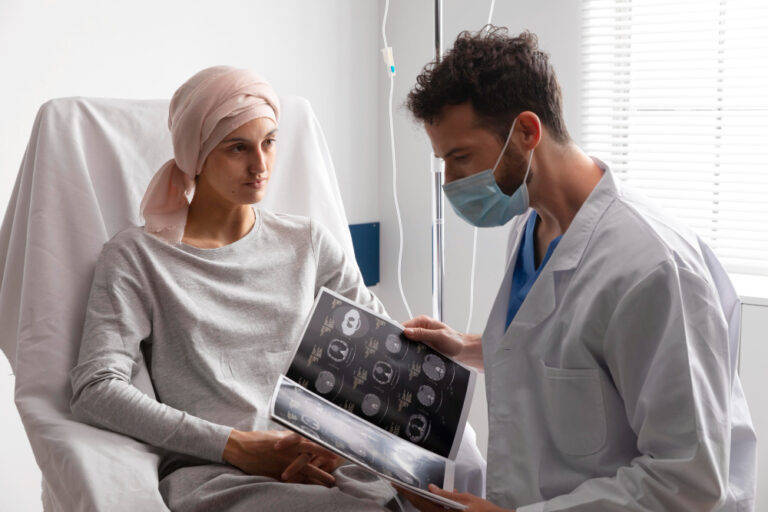
The Role of Oncology Teams in Supporting Families
Cancer care today is built around a team-based approach. Patients are supported by specialists, nurses, counselors, and care coordinators who work together to provide complete care.
These professionals understand that families are a crucial part of the healing process. They take time to explain the diagnosis, treatment options, possible side effects, and what to expect in the coming weeks or months.
Families often have many questions such as:
- What treatment is best?
- How long will recovery take?
- What side effects should we watch for?
- How can we help the patient feel better at home?
Experienced Oncology Doctors St. Petersburg, FL help answer these questions clearly and patiently. This guidance reduces anxiety and helps families feel more prepared for the journey ahead.
Emotional Support for Patients and Families
One of the biggest challenges families face during cancer treatment is emotional stress. Fear, sadness, frustration, and uncertainty are common feelings for both patients and caregivers.
Many oncology centers provide emotional support services that include:
- Counseling and therapy
- Support groups
- Stress management guidance
- Mental health resources
Talking with professionals who understand cancer care can help families process their emotions and stay strong for the patient. Support groups can also be especially helpful. Families meet others who are going through similar experiences, which creates a sense of connection and reassurance that they are not alone.
Education Helps Families Feel More in Control
One of the most powerful ways oncology care supports families is through education. When families understand the disease and treatment process, they feel less fearful and more confident.
Educational support may include:
- Information about cancer types
- Treatment explanations
- Nutrition guidance
- Managing side effects at home
- Recovery expectations
Learning these details helps families become active partners in care. Instead of feeling helpless, they can support the patient in practical ways. For example, understanding medication schedules, dietary needs, and rest requirements can help families create a comfortable recovery environment at home.
Helping Families Manage Treatment Logistics
Cancer treatment often involves multiple appointments, tests, and procedures. Managing these schedules can be challenging, especially when families are also balancing work and personal responsibilities.
Oncology care teams help coordinate many aspects of treatment, including:
- Appointment scheduling
- Diagnostic tests
- Follow-up visits
- Treatment plans
This organized approach reduces confusion and allows families to focus more on supporting their loved one emotionally and physically. Many care teams also assign patient coordinators who help families navigate the healthcare system, making the experience less stressful.
Financial Guidance and Support
Financial concerns are another major source of stress for families dealing with cancer. Treatment costs, medications, and hospital visits can quickly add up.
Many oncology centers offer financial guidance services that help families understand:
- Insurance coverage
- Payment options
- Financial assistance programs
- Treatment cost planning
By providing clear information and support, these services reduce the burden families may feel when managing medical expenses. Knowing that help is available allows families to focus more on care and recovery rather than worrying about finances.
Nutrition and Lifestyle Guidance for the Whole Family
Nutrition plays an important role during cancer treatment and recovery. Patients often experience changes in appetite, digestion, and energy levels. Oncology specialists and dietitians provide personalized nutrition guidance that helps patients maintain strength during treatment. Families also benefit from this guidance because they learn how to prepare meals that support healing and improve comfort. Healthy eating habits often become a shared family effort.
In many cases, lifestyle guidance also includes advice on:
- Physical activity during treatment
- Sleep and rest routines
- Stress reduction techniques
These practices support both the patient and family members who are coping with the emotional demands of cancer care.
Caregiver Support: Why It Matters
Caregivers play a vital role in a cancer patient’s journey. They may assist with transportation, medication reminders, emotional encouragement, and daily care. However, caregivers often forget to take care of themselves. Over time, this can lead to exhaustion and emotional burnout. Oncology programs recognize this challenge and provide resources specifically designed for caregivers, such as:
- Counseling services
- Caregiver support groups
- Educational workshops
- Stress management techniques
These services remind caregivers that their well-being matters too. When caregivers stay healthy and supported, they can provide better care for their loved ones.
Building Trust Through Compassionate Communication
Clear and compassionate communication is one of the most important aspects of quality oncology care. Families need doctors who are willing to listen, answer questions, and explain complex medical information in a way that is easy to understand. Regular discussions about treatment progress, test results, and next steps help families stay informed and involved. Trust between families and healthcare providers creates a supportive environment where patients feel safe and understood. This kind of communication strengthens the partnership between medical teams and families throughout the treatment journey.
Community Support Makes a Difference
Cancer treatment can feel isolating, but community support can make a powerful difference. Many oncology centers work closely with local organizations and resources that support patients and families.
These may include:
- Local cancer support networks
- Educational workshops
- Community awareness programs
- Patient advocacy groups
Being part of a supportive community helps families feel encouraged and connected during a difficult time.
Long-Term Support Beyond Treatment
Cancer care does not always end when treatment finishes. Survivorship programs and follow-up care are essential parts of long-term recovery. Families continue to play a major role during this stage as patients adjust back to daily life.
Follow-up care often includes:
- Routine health monitoring
- Lifestyle guidance
- Emotional support
- Rehabilitation services
Comprehensive oncology programs ensure that patients and families receive ongoing support even after active treatment ends. This long-term care helps families regain confidence and move forward with hope.
Why Family-Centered Cancer Care Matters
When cancer care focuses only on the patient, families may feel overlooked or unsupported. However, when care includes the entire family, the treatment experience becomes much more positive.
Family-centered care helps by:
- Reducing emotional stress
- Improving communication
- Providing education and guidance
- Strengthening caregiver support
- Creating a strong support system for the patient
These benefits not only improve the patient’s treatment experience but also help families stay resilient throughout the journey. This is why modern Oncology services in St. Petersburg, FL emphasizes compassionate, holistic care that includes patients and their families.
Final Thoughts
Cancer is one of the most challenging experiences a family can face, but no one has to face it alone. With the right medical team, guidance, and emotional support, families can navigate the journey with strength and hope. Comprehensive cancer care focuses on healing both the patient and the support system around them. From education and counseling to financial guidance and caregiver support, oncology teams work to ensure that families feel informed, empowered, and supported every step of the way.
When families are cared for alongside patients, the path through cancer becomes more manageable, compassionate, and hopeful for everyone involved. Book your consulation now!