
What to Expect During a Hematology Blood Test and Why It’s Important
When your doctor recommends a hematology blood test, it’s natural to feel a bit unsure about what to expect. These tests play a vital role in diagnosing, monitoring, and managing a wide range of health conditions, especially those related to blood disorders and cancer. At Comprehensive Hematology Oncology, patients receive expert care backed by advanced diagnostic tools, making these tests an essential step toward better health outcomes.
In this blog, we’ll walk you through what happens during a hematology blood test, why it matters, and how it helps doctors make informed decisions about your treatment. If you’re looking for a trusted Hematologist Tampa FL, understanding this process can help you feel more confident and prepared.
What Is a Hematology Blood Test?
A hematology blood test is a laboratory analysis of your blood that helps evaluate your overall health and detect a variety of conditions. These tests focus on the components of blood, including red blood cells, white blood cells, platelets, and hemoglobin levels.
Doctors often recommend hematology tests to diagnose conditions such as anemia, infections, clotting disorders, and certain types of cancer like leukemia or lymphoma. At Comprehensive Hematology Oncology, these tests are used not just for diagnosis but also for ongoing monitoring of treatment effectiveness.
Why Do Doctors Recommend Hematology Blood Tests?
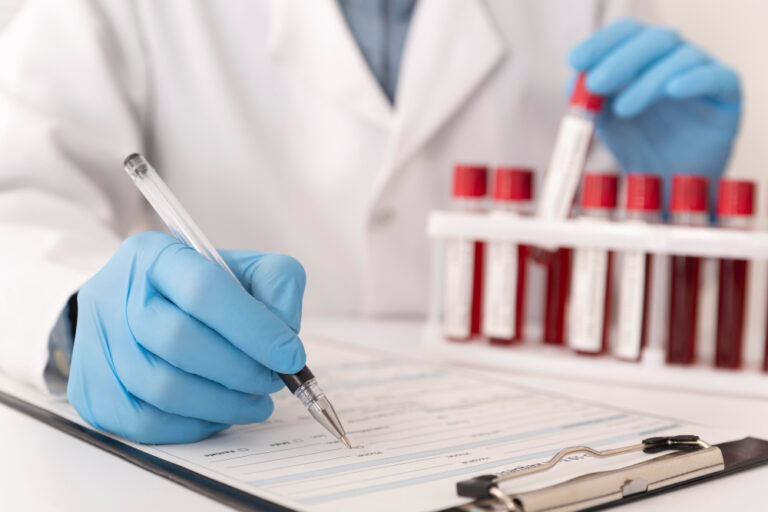
Hematology tests are essential because blood carries vital information about your body’s internal functioning. Even small changes in blood composition can signal underlying health issues. If you visit a hematologist, they may recommend a blood test for several reasons. It could be part of a routine health check, or it may be ordered if you’re experiencing symptoms like fatigue, unexplained bruising, frequent infections, or abnormal bleeding. These tests are also crucial for cancer patients. They help track how well the body is responding to treatments such as chemotherapy or radiation therapy. By regularly analyzing blood samples, doctors can adjust treatment plans to achieve better outcomes.
What Happens Before the Blood Test?
Preparation for a hematology blood test is usually simple. In most cases, no special preparation is required. However, depending on the type of test, your doctor may ask you to fast for a few hours beforehand. You should always inform your doctor about any medications or supplements you are taking, as some substances can affect test results. Staying hydrated can also make the blood draw process smoother. Patients visiting a Hematologist Tampa FL often appreciate that the process is quick and minimally invasive, making it easy to include in regular health checkups.
What Happens During the Blood Test?
The actual blood test procedure is straightforward and typically takes only a few minutes. A healthcare professional will clean the area, usually the inside of your elbow, and insert a small needle into a vein. A small amount of blood is then collected into one or more vials. You may feel a slight pinch when the needle is inserted, but the discomfort is usually minimal.
Once the sample is collected, the needle is removed, and a bandage is applied to the site. Most people can resume their normal activities immediately after the test. At Comprehensive Hematology Oncology, trained professionals ensure that the procedure is as comfortable and stress-free as possible for every patient.
What Happens After the Test?
After your blood sample is collected, it is sent to a laboratory for analysis. Advanced equipment is used to examine different components of your blood in detail. Results are usually available within a few hours to a couple of days, depending on the complexity of the test. Your doctor will review the results and explain what they mean in the context of your overall health. If you are working with a Hematologist, they will carefully interpret your results and discuss any necessary next steps, whether it’s further testing, lifestyle changes, or treatment options.
What Do Hematology Test Results Show?
Hematology tests provide a wealth of information about your health. One of the most common tests is the Complete Blood Count (CBC), which measures:
- Red blood cells (carry oxygen)
- White blood cells (fight infections)
- Platelets (help with clotting)
- Hemoglobin levels (oxygen-carrying protein)
Abnormal results can indicate a variety of conditions. For example, low red blood cell counts may suggest anemia, while high white blood cell counts could point to infection or inflammation. At Comprehensive Hematology Oncology, specialists use these insights to detect diseases early and create personalized treatment plans tailored to each patient’s needs.
How Do Hematology Blood Tests Help in Cancer Care?
Hematology blood tests are especially important in oncology. They help detect blood cancers such as leukemia and lymphoma and monitor the progression of these diseases. For patients undergoing cancer treatment, these tests provide critical information about how the body is responding. They can reveal side effects of treatments, such as reduced white blood cell counts, which may increase the risk of infection. Regular testing allows doctors to adjust treatment plans in real time. This level of precision care is a key reason why patients trust us for their cancer treatment journey.
Are There Any Risks Involved?
Hematology blood tests are very safe and carry minimal risks. Some people may experience slight bruising, mild pain, or dizziness after the blood draw, but these symptoms usually go away quickly. Serious complications are extremely rare. If you have concerns, discussing them with your doctor can help ease any anxiety before the procedure.
How Often Should You Get a Hematology Blood Test?
The frequency of hematology testing depends on your individual health needs. For healthy individuals, these tests may be part of an annual checkup. However, if you have a medical condition or are undergoing treatment, your doctor may recommend more frequent testing. Patients under the care often receive regular blood tests to ensure their treatment is progressing as expected.
Can Hematology Tests Detect Problems Early?
Yes, one of the biggest advantages of hematology blood tests is early detection. Many serious conditions, including cancers and blood disorders, may not show noticeable symptoms in their early stages. By identifying abnormalities early, doctors can begin treatment sooner, which often leads to better outcomes. This is why consulting a Hematologist Tampa FL and undergoing recommended tests can be a life-saving decision.
What Questions Should You Ask Your Doctor?
When preparing for a hematology blood test, it’s helpful to ask a few important questions:
- What is the purpose of this test?
- Do I need to prepare in any special way?
- When will I receive my results?
- What do the results mean for my health?
Having clear communication with your healthcare provider ensures you fully understand your condition and the next steps in your care.
Why Choose Specialized Care for Hematology Testing?
Choosing the right healthcare provider makes a significant difference in diagnosis and treatment. Comprehensive Hematology Oncology offer advanced diagnostic tools, experienced specialists, and personalized care. Their team focuses on providing accurate results and guiding patients through every step of their healthcare journey. Whether it’s routine testing or complex cancer care, having expert support ensures better peace of mind.
Final Thoughts: Why Hematology Blood Tests Truly Matter
Hematology blood tests are more than just routine procedures, they are powerful tools that provide deep insights into your health. From detecting early signs of disease to monitoring ongoing treatments, these tests play a crucial role in modern medicine.
If you’re considering consulting a Hematologist Tampa FL, understanding the importance of these tests can help you take a proactive approach to your health. With expert care from Comprehensive Hematology Oncology, you can be confident that you are receiving accurate diagnoses and personalized treatment plans designed for the best possible outcomes. Taking that first step toward testing could make all the difference in maintaining your health and well-being. For more information, contact us today!