
Understanding Radiation Therapy: How It Effectively Targets Cancer Cells
Cancer treatment has advanced significantly over the years, offering patients more precise, effective, and less invasive options. One of the most widely used and trusted methods is radiation therapy. For patients exploring Oncology services in St. Petersburg, FL, understanding how radiation therapy works can make the treatment journey less overwhelming and more empowering.
At Comprehensive Hematology Oncology, patient education is considered just as important as treatment itself. This guide will walk you through everything you need to know about radiation therapy, how it works, what to expect, and why it remains a cornerstone in modern cancer care.
What Is Radiation Therapy?
Radiation therapy is a cancer treatment that uses high doses of radiation to kill cancer cells or slow their growth. While radiation exists naturally in our environment at low levels, medical radiation is carefully controlled and targeted to focus specifically on cancer-affected areas.
The goal is simple: damage the DNA of cancer cells so they can no longer grow or divide. Over time, these damaged cells die, and the body naturally removes them. Unlike chemotherapy, which affects the entire body, radiation therapy is usually localized. This makes it a highly effective option for targeting tumors without significantly impacting surrounding healthy tissues.
How Does Radiation Therapy Target Cancer Cells?
Radiation therapy works by damaging the DNA inside cells. Since cancer cells grow and divide more rapidly than normal cells, they are more vulnerable to radiation.
- Precision Targeting : Modern radiation therapy uses advanced imaging technologies like CT scans and MRIs to map the exact location of the tumor. This allows specialists to deliver radiation beams directly to the cancer cells with incredible accuracy.
- Damage and Recovery : While radiation affects both healthy and cancerous cells, normal cells have a better ability to repair themselves. Cancer cells, on the other hand, struggle to recover, which leads to their destruction over time.
- Gradual Effect : Radiation therapy doesn’t kill cancer cells instantly. Instead, it works over several sessions, gradually shrinking tumors and preventing further growth.
Patients receiving Oncology services in St. Petersburg, FL often benefit from these advanced techniques that ensure safer and more effective treatments.
What Types of Radiation Therapy Are Available?
Radiation therapy isn’t a one-size-fits-all treatment. It comes in different forms depending on the type, location, and stage of cancer.
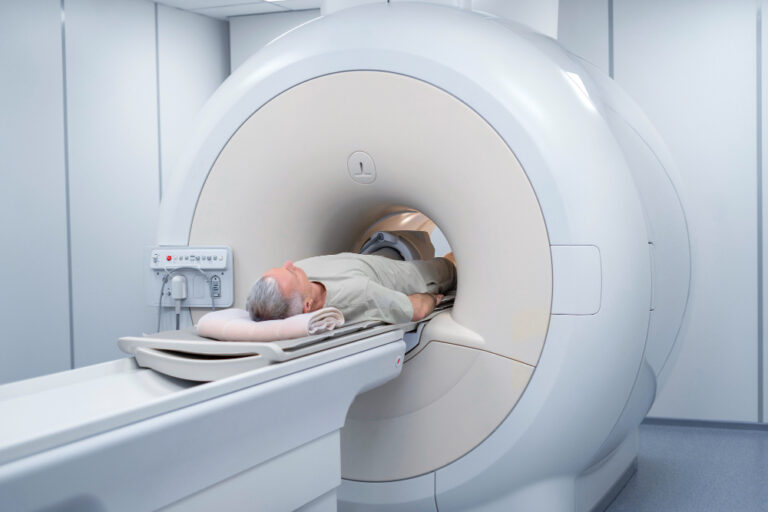
- External Beam Radiation Therapy (EBRT) : This is the most common type. A machine directs radiation beams from outside the body toward the tumor. Treatments are usually given over several weeks in short daily sessions.
- Internal Radiation Therapy (Brachytherapy) : In this method, radioactive material is placed inside or very close to the tumor. This allows for a higher dose of radiation in a smaller area.
- Systemic Radiation Therapy : This involves radioactive substances that travel through the bloodstream to target cancer cells throughout the body. It’s often used for specific types of cancers like thyroid cancer.
At Comprehensive Hematology Oncology, treatment plans are personalized to match each patient’s condition, ensuring the most suitable therapy approach.
When Is Radiation Therapy Used?
Radiation therapy can be used in several different ways depending on the patient’s needs:
- As a Primary Treatment : In some cases, radiation therapy is the main treatment used to destroy cancer cells.
- Before Surgery (Neoadjuvant Therapy) : It can shrink tumors, making them easier to remove surgically.
- After Surgery (Adjuvant Therapy) : Radiation may be used to eliminate any remaining cancer cells after surgery.
- Combined with Other Treatments : It is often used alongside chemotherapy or immunotherapy for better results.
- Palliative Care : Radiation therapy can help relieve symptoms like pain or pressure caused by tumors.
For patients seeking Oncology services in St. Petersburg, FL, having access to comprehensive treatment options ensures a well-rounded approach to cancer care.
What Should You Expect During Treatment?
Understanding the process can ease anxiety and help you feel more prepared.
- Initial Consultation : Your journey begins with a detailed consultation where your medical history, diagnosis, and treatment goals are discussed.
- Simulation and Planning : Before treatment starts, imaging tests are conducted to map the treatment area. This step ensures precise targeting and minimizes exposure to healthy tissues.
- Treatment Sessions : Each session typically lasts 15–30 minutes. The procedure is painless, similar to getting an X-ray, though you must remain still during the process.
- Follow-Up Care : After completing therapy, regular follow-ups help monitor progress and manage any side effects.
At Comprehensive Hematology Oncology, patient comfort and clarity are prioritized at every stage of the treatment journey.
Are There Any Side Effects?
Like all cancer treatments, radiation therapy can have side effects. However, these vary depending on the treatment area and dosage.
Common Side Effects
- Fatigue
- Skin irritation at the treatment site
- Mild swelling
- Temporary hair loss in the treated area
Long-Term Effects
In some cases, patients may experience long-term changes, but modern techniques have significantly reduced these risks.
The good news is that most side effects are manageable and temporary. Your care team will provide guidance and support to help you cope effectively.
How Effective Is Radiation Therapy?
Radiation therapy has proven to be highly effective in treating many types of cancer. Its success depends on several factors:
- Type and stage of cancer
- Tumor size and location
- Overall health of the patient
- Combination with other treatments
In many cases, radiation therapy can completely eliminate cancer or significantly reduce its size, improving survival rates and quality of life. Patients choosing Oncology services in St. Petersburg, FL benefit from advanced technologies and experienced specialists who focus on delivering optimal outcomes.
Why Is Precision Important in Radiation Therapy?
One of the biggest advancements in radiation therapy is precision. The more accurately radiation is delivered, the better the results and the fewer the side effects.
- Advanced Technologies : Modern systems like IMRT (Intensity-Modulated Radiation Therapy) and IGRT (Image-Guided Radiation Therapy) allow doctors to adjust radiation beams in real time.
- Protecting Healthy Tissue : Precision ensures that surrounding organs and tissues are protected, reducing complications and improving recovery.
- Personalized Treatment Plans : Every patient receives a customized plan tailored to their specific condition.
At Comprehensive Hematology Oncology, precision and personalization are key components of effective cancer care.
How to Prepare for Radiation Therapy?
Preparation plays an important role in ensuring a smooth treatment experience.
- Follow Medical Advice : Always follow the instructions provided by your oncology team.
- Maintain a Healthy Lifestyle : Eat a balanced diet, stay hydrated, and get adequate rest.
- Communicate Openly : Share any concerns or symptoms with your doctor promptly.
- Emotional Support : Consider joining support groups or speaking with a counselor to manage emotional stress.
Being mentally and physically prepared can significantly improve your treatment experience.
Frequently Asked Questions About Radiation Therapy
1. Is radiation therapy painful?
No, the treatment itself is painless. You won’t feel the radiation during the session.
2. How long does treatment last?
It varies depending on the type of cancer, but most treatments occur over several weeks.
3. Can I continue my daily activities?
Many patients continue their normal routines, although some may need to adjust based on fatigue levels.
4. Is radiation therapy safe?
Yes, when performed by experienced professionals, it is a safe and highly controlled treatment.
The Role of Expert Care in Successful Treatment
Choosing the right oncology provider can make a significant difference in your treatment journey. From accurate diagnosis to advanced treatment planning, expert care ensures better outcomes and a smoother experience. At Comprehensive Hematology Oncology, patients receive compassionate, personalized care backed by modern technology and experienced specialists. Their commitment to excellence makes them a trusted choice for individuals seeking effective cancer treatment.
Conclusion
Radiation therapy remains one of the most powerful tools in the fight against cancer. Its ability to precisely target cancer cells while preserving healthy tissue makes it an essential part of modern oncology. Whether used alone or in combination with other treatments, radiation therapy offers hope, improved outcomes, and a better quality of life for many patients. If you’re looking for expert cancer care and personalized treatment plans, don’t wait. Contact Comprehensive Hematology Oncology today to schedule a consultation and learn how radiation therapy can be tailored to your needs. Your journey to better health starts with the right care.