
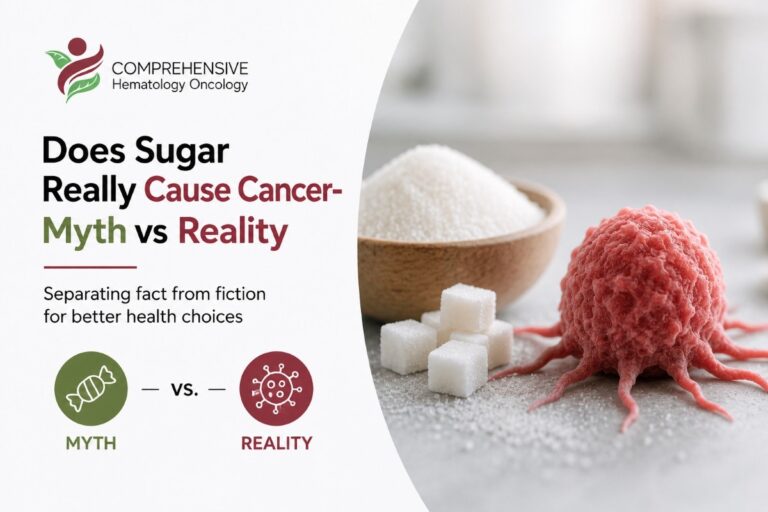
Does Sugar Really Cause Cancer- Myth vs Reality
Cancer is one of the most talked-about health conditions in the world, and with so much information online, it can be difficult to separate myths from facts. One of the most common questions people ask is: “Does sugar cause cancer?” Many people believe that eating sugar directly feeds cancer cells and makes the disease worse. While there is some truth behind how cancer cells use energy, the reality is much more complex than social media headlines suggest.
At Comprehensive Hematology Oncology, patients often ask about the connection between diet, sugar, and cancer during consultations. Understanding the science behind sugar and cancer can help people make informed lifestyle choices without unnecessary fear. This article explains the myths, facts, and medical realities surrounding sugar and cancer in simple terms.
If you searching for trusted guidance regarding Cancer treatment St. Petersburg FL, learning the truth about nutrition and cancer care is an important first step.
Why Do People Believe Sugar Causes Cancer?
The idea that sugar causes cancer became popular because cancer cells consume glucose for energy. Glucose is a type of sugar found naturally in the bloodstream and comes from foods like fruits, vegetables, grains, dairy products, and sweets. Since cancer cells grow rapidly, they require more energy than normal cells.
However, healthy cells in the body also use glucose to function properly. Your brain, muscles, organs, and immune system all depend on sugar as a fuel source. Completely removing sugar from your diet does not “starve” cancer cells because the body naturally produces glucose even when carbohydrates are limited.
The confusion often comes from oversimplified health advice online. Many articles and videos claim that all sugar is dangerous, but medical research does not support the idea that eating sugar alone directly causes cancer.
What Does Science Actually Say About Sugar and Cancer?
Research shows that consuming too much added sugar may contribute to obesity, diabetes, and chronic inflammation, which can increase the risk of certain cancers over time. However, sugar itself is not considered a direct cause of cancer. Scientists have found that diets high in processed foods, sugary beverages, and excess calories may indirectly increase cancer risk because they can lead to weight gain. Obesity has been linked to several types of cancer, including breast cancer, colon cancer, pancreatic cancer, and liver cancer.
This means the issue is not simply sugar alone, but overall dietary habits and lifestyle choices. A balanced diet with moderation is more important than completely eliminating sugar. At Comprehensive Hematology Oncology, healthcare professionals encourage patients to focus on overall nutrition, maintaining a healthy weight, and following evidence-based medical advice instead of relying on myths circulating online.
Do Cancer Cells Feed on Sugar?
Yes, cancer cells use glucose for energy. But so do all the normal cells in your body. This is where many misconceptions begin. Cancer cells often consume glucose at a faster rate because they grow rapidly. In fact, some imaging tests like PET scans work by detecting areas where glucose usage is unusually high. Doctors use these scans to help identify cancer activity in the body.
However, avoiding sugar entirely does not stop cancer growth. Your liver naturally creates glucose from proteins and fats to keep your body functioning. Even strict low-carb diets cannot fully eliminate glucose from the bloodstream. This is why experts do not recommend extreme diets claiming to “cure” cancer by removing sugar completely. Instead, balanced nutrition is considered far more beneficial during treatment and recovery.
Is Natural Sugar Different From Added Sugar?
Understanding the difference between natural sugar and added sugar is very important. Natural sugars are found in fruits, vegetables, and dairy products. These foods also provide fiber, vitamins, minerals, and antioxidants that support overall health. Eating whole fruits is generally considered healthy and beneficial.
Added sugars, on the other hand, are commonly found in sodas, candies, desserts, processed snacks, and sugary drinks. Consuming excessive added sugar regularly can contribute to obesity and metabolic problems.
For cancer prevention and overall wellness, healthcare providers usually recommend limiting processed sugars while maintaining a balanced diet rich in whole foods. Patients seeking Cancer treatment St. Petersburg FL are often advised to work with healthcare professionals who can guide them toward healthy dietary habits during and after treatment.
Can Eating Too Much Sugar Increase Cancer Risk?
Although sugar itself does not directly create cancer cells, excessive sugar intake can contribute to conditions associated with higher cancer risk.
- Obesity and Cancer Risk : High-calorie diets with excessive sugar may lead to obesity. Obesity is one of the major risk factors linked to various cancers. Excess body fat can increase inflammation and hormone imbalances in the body, creating an environment where cancer may develop more easily.
- Insulin Levels and Cell Growth : Diets high in sugar may also affect insulin levels. Insulin is a hormone that helps regulate blood sugar. Chronically high insulin levels may influence certain growth pathways connected to cancer development.
- Chronic Inflammation : Processed foods and sugary diets may contribute to chronic inflammation over time. Long-term inflammation can damage cells and may increase the likelihood of certain diseases, including cancer.
This is why doctors emphasize healthy eating patterns rather than focusing on fear-based claims about sugar alone.
Should Cancer Patients Avoid Sugar Completely?
Many patients wonder whether they should stop eating sugar entirely after a cancer diagnosis. In most cases, the answer is no. Cancer patients need proper nutrition to maintain strength, support the immune system, and tolerate treatments such as chemotherapy, radiation therapy, and surgery. Completely eliminating carbohydrates or sugar may lead to fatigue, weight loss, and nutritional deficiencies.
Instead of following extreme diets, patients are usually encouraged to:
- Eat balanced meals
- Include fruits and vegetables
- Choose whole grains
- Stay hydrated
- Limit highly processed sugary foods
- Maintain a healthy body weight
At Comprehensive Hematology Oncology, personalized nutritional guidance may be part of a patient’s overall cancer care plan. Every individual has different dietary needs depending on their diagnosis and treatment.
What Foods Are Recommended During Cancer Treatment?
Nutrition plays a major role in supporting the body during cancer treatment. While no single food can cure cancer, healthy eating habits may help patients feel stronger and recover better.
Some commonly recommended foods include:
- Fresh Fruits and Vegetables : These provide antioxidants, vitamins, minerals, and fiber that support overall health.
- Lean Proteins : Chicken, fish, eggs, beans, and legumes help repair tissues and maintain muscle mass.
- Whole Grains : Brown rice, oats, and whole wheat products provide steady energy and fiber.
- Healthy Fats : Avocados, nuts, seeds, and olive oil support overall wellness.
- Hydration : Drinking enough water is essential during treatment to prevent dehydration and support body functions.
Patients receiving Cancer treatment St. Petersburg FL should always discuss dietary changes with their healthcare team before starting restrictive diets or supplements.
Are Artificial Sweeteners Safer Than Sugar?
Artificial sweeteners are often marketed as healthier alternatives to sugar, but many people worry whether they are safe. Current research suggests that approved artificial sweeteners are generally safe when consumed in moderation. However, relying heavily on artificially sweetened processed foods is not necessarily healthier than eating natural whole foods. The best approach is moderation. Rather than replacing all sugar with artificial sweeteners, experts usually recommend reducing overall consumption of overly processed foods and sugary beverages.
What Are Some Common Myths About Sugar and Cancer?
Myth 1: Sugar Directly Causes Cancer : There is no scientific evidence showing that sugar alone directly causes cancer.
Myth 2: Removing Sugar Cures Cancer : Cancer cells can still obtain energy from other sources in the body, even without dietary sugar.
Myth 3: Fruit Sugar Is Dangerous : Natural sugars in whole fruits are generally healthy because fruits also contain fiber and nutrients.
Myth 4: Cancer Patients Must Follow Extreme Diets : Restrictive diets may sometimes do more harm than good during treatment.
Understanding these myths can reduce fear and help patients focus on medically supported treatment strategies.
How Can You Reduce Cancer Risk Through Diet?
Although no diet can guarantee cancer prevention, certain healthy habits may lower overall risk.
- Maintain a Healthy Weight : Obesity is strongly associated with several cancers.
- Eat More Whole Foods : Choose fruits, vegetables, whole grains, nuts, and lean proteins whenever possible.
- Limit Processed Foods : Reduce intake of sugary drinks, fast food, and heavily processed snacks.
- Stay Physically Active : Regular exercise supports overall health and weight management.
- Avoid Smoking and Excess Alcohol : Lifestyle choices significantly impact cancer risk.
Combining healthy habits with regular medical screenings can improve long-term wellness.
When Should You Speak With a Cancer Specialist?
If you have concerns about cancer symptoms, family history, or nutrition during treatment, it is important to consult experienced healthcare professionals. Early diagnosis and evidence-based care play a major role in successful outcomes. At Comprehensive Hematology Oncology, patients can receive professional guidance regarding diagnosis, treatment options, symptom management, and supportive care.
Personalized treatment plans are designed to meet each patient’s specific medical needs. Whether you are researching prevention strategies or looking for Cancer treatment St. Petersburg FL, working closely with qualified oncology specialists can help you make informed decisions about your health.
Final Thoughts: Myth vs Reality
The belief that sugar directly causes cancer is largely a myth. While cancer cells do use glucose for energy, so does every healthy cell in the body. Eliminating sugar entirely does not stop cancer growth, and extreme dietary restrictions may actually harm patients during treatment. The real concern lies in excessive consumption of processed sugary foods that contribute to obesity, inflammation, and poor overall health. A balanced diet, regular exercise, healthy lifestyle habits, and proper medical care remain the most effective ways to support long-term wellness.
At Comprehensive Hematology Oncology, patient education is an important part of comprehensive cancer care. Understanding the difference between myths and medical facts can empower individuals to make healthier choices with confidence. If you are searching for reliable guidance and expert Cancer treatment St. Petersburg FL, always rely on trusted oncology professionals and evidence-based information rather than internet myths. Book your consultation today!