
Advances in Immunotherapy by an Oncology Specialist St. Petersburg, FL
Cancer treatment has changed significantly over the last few years. Today, patients have access to more advanced therapies that focus not only on treating cancer but also on improving quality of life. One of the biggest breakthroughs in modern cancer care is immunotherapy. This innovative treatment helps the body’s immune system identify and fight cancer cells more effectively. At Comprehensive Hematology Oncology, patients can learn about advanced treatment options designed to provide personalized cancer care with modern medical approaches.
An experienced Oncology Specialist St. Petersburg, FL understands that every patient’s condition is different. Because of this, cancer treatment plans are now more customized than ever before. Immunotherapy has become an important option for many cancer patients because it works differently from traditional chemotherapy or radiation therapy. Instead of directly attacking cancer cells, immunotherapy strengthens the body’s natural defense system to help it recognize and destroy harmful cells.
What Is Immunotherapy?
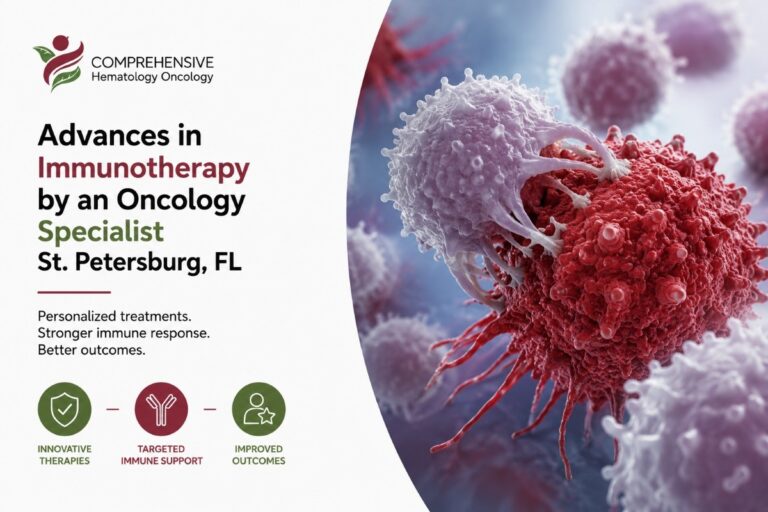
Immunotherapy is a type of cancer treatment that uses the body’s immune system to fight cancer. Normally, the immune system protects the body from infections and diseases. However, cancer cells can sometimes hide from immune defenses, allowing them to grow and spread. Immunotherapy helps the immune system identify these cancer cells and respond more effectively.
This treatment has become a major advancement in oncology because it offers new hope for patients with different types of cancers. Researchers continue to study how immunotherapy can improve survival rates and reduce side effects compared to some traditional treatments.
Unlike older treatment methods that may affect both healthy and cancerous cells, immunotherapy is often more targeted. This targeted approach may help reduce damage to healthy tissues and improve patient outcomes.
How Does Immunotherapy Work?
The immune system is made up of cells, tissues, and organs that work together to protect the body. Cancer cells sometimes develop ways to avoid detection by the immune system. Immunotherapy helps remove these barriers so the immune system can recognize and attack cancer cells more efficiently.
There are several types of immunotherapy treatments currently used in cancer care:
Checkpoint Inhibitors : Checkpoint inhibitors are one of the most commonly used forms of immunotherapy. These drugs help immune cells identify and attack cancer cells by blocking signals that stop immune responses. This treatment has shown positive results for cancers such as melanoma, lung cancer, kidney cancer, and more.
CAR T-Cell Therapy : CAR T-cell therapy is an advanced treatment where a patient’s own immune cells are modified in a laboratory to fight cancer. These engineered cells are then returned to the body to target cancer cells more effectively. This therapy has shown promising results in certain blood cancers.
Cancer Vaccines : Cancer vaccines help the immune system recognize cancer-related proteins. Some vaccines are designed to prevent cancer, while others are used to treat existing cancers by stimulating immune activity.
Monoclonal Antibodies : Monoclonal antibodies are laboratory-made proteins that attach to cancer cells and help the immune system destroy them. Some antibodies can also deliver medications directly to cancer cells.
At Comprehensive Hematology Oncology, patients receive guidance about which treatment options may be suitable for their specific diagnosis and medical condition.
Why Is Immunotherapy Considered a Major Advancement?
Cancer care has evolved rapidly over the last decade. Immunotherapy is considered one of the biggest advancements because it offers a new way to treat cancer that focuses on the immune system rather than only targeting tumors directly. Many patients who previously had limited treatment options now have access to therapies that may help improve long-term outcomes. In some cases, immunotherapy has helped patients achieve lasting responses even after other treatments were unsuccessful.
Another reason immunotherapy has gained attention is because it may produce fewer side effects for certain patients. Traditional chemotherapy often affects healthy cells along with cancer cells, leading to fatigue, nausea, and hair loss. Immunotherapy works differently, and while side effects can still occur, they are often managed differently depending on the patient’s condition. An experienced Oncology Specialist St. Petersburg, FL carefully evaluates whether immunotherapy is appropriate based on factors such as cancer type, stage, genetic markers, and overall health.
Which Cancers Can Be Treated With Immunotherapy?
Immunotherapy is now used for several different types of cancers. Ongoing research continues to expand its use in modern oncology. Some cancers commonly treated with immunotherapy include:
- Lung cancer
- Melanoma
- Bladder cancer
- Kidney cancer
- Lymphoma
- Leukemia
- Breast cancer
- Head and neck cancers
- Liver cancer
- Colorectal cancer
Not every patient is a candidate for immunotherapy. Doctors may perform special tests to determine whether this treatment is likely to be effective. Biomarker testing and genetic analysis often play an important role in deciding treatment strategies.
What Are the Benefits of Immunotherapy?
Immunotherapy offers several potential benefits that make it an important part of modern cancer treatment.
Personalized Treatment Approach : One of the biggest advantages is that immunotherapy can be tailored to the patient’s specific cancer type and immune response. Personalized medicine helps doctors create more effective treatment plans.
Long-Term Response : Some patients experience long-lasting results after immunotherapy. In certain cases, the immune system continues recognizing cancer cells even after treatment ends.
Combination Therapy Options : Immunotherapy can sometimes be combined with chemotherapy, radiation therapy, targeted therapy, or surgery. Combining treatments may improve overall outcomes for some patients.
Improved Quality of Life : Although side effects vary, some patients may experience fewer severe side effects compared to traditional chemotherapy. This can help maintain daily activities and overall well-being during treatment.
At Comprehensive Hematology Oncology, specialists focus on providing individualized care while exploring advanced therapies that support patient health and recovery.
Are There Any Risks or Side Effects?
Like all cancer treatments, immunotherapy can have side effects. Since the treatment activates the immune system, it may sometimes cause the immune system to attack healthy tissues. Common side effects may include:
- Fatigue
- Skin rashes
- Fever
- Digestive issues
- Joint pain
- Breathing problems
In rare cases, more serious immune-related complications may occur. That is why close monitoring by oncology experts is essential throughout treatment. Doctors carefully review medical history, current health conditions, and treatment responses to minimize risks and manage side effects effectively.
How Is Immunotherapy Different From Chemotherapy?
Many patients wonder how immunotherapy differs from chemotherapy. Both treatments aim to fight cancer, but they work in completely different ways.
Chemotherapy directly kills rapidly growing cells, including cancer cells and some healthy cells. This is why chemotherapy often causes side effects like hair loss and low blood counts.
Immunotherapy, on the other hand, works by strengthening the body’s natural immune defenses. Instead of attacking all rapidly growing cells, it helps immune cells recognize cancer cells more accurately.
For some patients, immunotherapy may be used alone, while others may benefit from combining it with chemotherapy or radiation.
What Should Patients Expect During Treatment?
The immunotherapy process depends on the type of treatment being used. Some therapies are given through intravenous infusions at a clinic or hospital, while others may involve oral medications or specialized laboratory procedures. Before treatment begins, patients usually undergo testing and medical evaluations. During treatment, doctors monitor progress closely with blood tests, imaging scans, and physical examinations.
Patients are encouraged to communicate openly with their healthcare team about any symptoms or concerns. Regular follow-up care is important for managing side effects and tracking treatment effectiveness. An experienced Oncology Specialist St. Petersburg, FL helps patients understand every stage of the treatment process while providing support throughout their cancer journey.
How Is Research Improving Immunotherapy?
Medical research continues to improve immunotherapy treatments every year. Scientists are studying how to make therapies more effective, reduce side effects, and expand treatment options for additional cancer types. Researchers are also exploring combination therapies that use immunotherapy alongside targeted therapy, radiation, or precision medicine. Artificial intelligence and genetic testing are helping doctors identify which patients may benefit most from certain treatments.
Clinical trials remain an important part of cancer research. Many patients may qualify for trials that provide access to innovative therapies still under development. At Comprehensive Hematology Oncology, staying updated with modern oncology advancements helps ensure patients receive informed and advanced cancer care options.
Why Is Personalized Cancer Care Important?
Every cancer diagnosis is unique. Factors such as age, genetics, cancer stage, overall health, and treatment history all affect how patients respond to therapy. Personalized cancer care focuses on creating treatment plans designed specifically for each individual. This approach helps improve treatment accuracy while reducing unnecessary risks.
Immunotherapy has become a valuable part of personalized medicine because it allows doctors to study how a patient’s immune system interacts with cancer cells. With advanced diagnostic testing, specialists can better predict treatment success and guide patients toward the most appropriate options.
Final Thoughts on Advances in Immunotherapy
Immunotherapy is changing the future of cancer treatment by helping the body’s immune system recognize and fight cancer cells more effectively. With ongoing medical advancements, many patients now have access to innovative therapies that may improve treatment outcomes while supporting a better quality of life. Working with an experienced Oncology Specialist St. Petersburg, FL can help patients better understand the latest treatment options available for their condition.
At Comprehensive Hematology Oncology, patients receive personalized guidance, advanced treatment support, and compassionate care throughout every stage of their cancer journey. Contact today to schedule a consultation and learn whether immunotherapy may be the right option for your treatment plan.