
5 Daily Habits That Silently Lower Your Cancer Risk
Cancer prevention is often thought of as complicated, something that requires strict rules or expensive interventions. In reality, some of the most effective steps you can take are simple, everyday habits practiced consistently over time. Medical research has shown that a significant number of cancer cases are linked to factors we can influence, such as diet, physical activity, and routine health checkups. This guide takes an educational look at five daily habits supported by scientific evidence, explaining not just what to do, but why these habits matter at a biological level.
Why Daily Habits Matter More Than You Think
Cancer develops when normal cells undergo changes that cause them to grow and divide abnormally. This process can be influenced by genetics, but it is also shaped heavily by environment and lifestyle. According to global health research, a large proportion of cancer cases, in some estimates as much as one-third, are linked to modifiable risk factors like diet, physical inactivity, tobacco use, and alcohol consumption.
This means your daily choices are doing far more than affecting how you feel today. Over months and years, they influence inflammation levels, hormone balance, cellular repair processes, and immune function, all of which play a role in whether abnormal cells are able to take hold and grow.
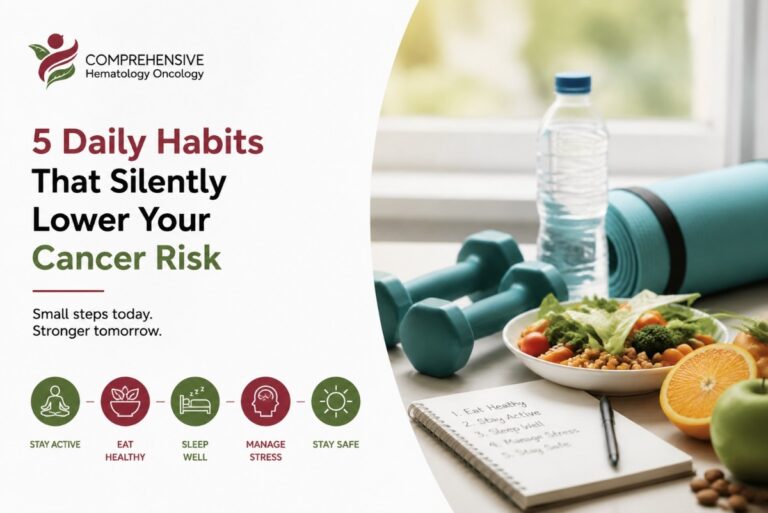
Habit 1 – Eat More Colorful Fruits and Vegetables
A diet rich in fruits and vegetables provides antioxidants, fiber, and essential vitamins that help protect cells from oxidative stress, a type of cellular damage linked to cancer development. Different colored produce contains different protective compounds. For example, leafy greens are rich in folate, while orange and red vegetables like carrots and tomatoes contain carotenoids linked to cellular protection.
Fiber, found in vegetables, fruits, and whole grains, also supports digestive health and may help lower the risk of colorectal cancer by promoting regular elimination of waste products from the body. Nutrition experts generally recommend filling at least half your plate with fruits and vegetables at each meal, while reducing processed foods, red and processed meats, and foods high in added sugar.
These small dietary shifts, sustained over time, can meaningfully support your body’s natural defenses.
Habit 2 – Stay Physically Active
Physical activity affects the body in ways that go beyond weight management. Regular movement helps regulate hormones such as insulin and estrogen, both of which are linked to cancer risk when present in excess. Exercise also reduces chronic inflammation, supports healthy immune function, and improves circulation, all of which contribute to a lower cancer risk over time.
Health organizations typically recommend at least 150 minutes of moderate-intensity exercise per week, such as brisk walking, swimming, or cycling. For those with busy schedules, breaking this into shorter, 20 to 30 minute sessions throughout the week can still provide meaningful benefits. Research has linked regular physical activity to a reduced risk of breast, colon, and endometrial cancers, among others.
Habit 3 – Avoid Tobacco and Limit Alcohol
Tobacco use remains one of the most well-documented preventable causes of cancer worldwide. It is linked not only to lung cancer, but also to cancers of the mouth, throat, esophagus, bladder, and pancreas. The chemicals in tobacco smoke damage the DNA within cells, increasing the likelihood of mutations that can lead to cancer over time. Quitting smoking, at any age, has been shown to reduce this risk progressively the longer a person remains tobacco-free.
Alcohol consumption is another significant factor. Even moderate drinking has been associated with an increased risk of certain cancers, including breast, liver, and esophageal cancer, largely due to how alcohol is metabolized in the body and its effect on hormone levels. Limiting alcohol intake, or avoiding it altogether, is one of the more direct ways to reduce this category of risk.
Habit 4 – Maintain a Healthy Weight
Excess body weight, particularly visceral fat around the abdomen, is associated with increased inflammation and altered hormone levels, both of which are linked to a higher risk of several cancers, including breast, colorectal, pancreatic, and endometrial cancer. Fat tissue is metabolically active and can produce excess estrogen and inflammatory signals that may contribute to abnormal cell growth over time.
Maintaining a healthy weight through a combination of balanced nutrition and regular physical activity supports not only cancer prevention, but also cardiovascular and metabolic health. Even a modest reduction in body weight, for those who are overweight, has been associated with measurable health improvements.
Habit 5 – Prioritize Regular Health Screenings
Early detection remains one of the most powerful tools in cancer prevention and treatment. Many cancers develop silently, without noticeable symptoms in their earliest, most treatable stages. Screenings such as mammograms, colonoscopies, Pap smears, low-dose CT scans for lung cancer, and skin examinations are designed to catch abnormal changes before they progress.
Recommended screening schedules vary based on age, gender, family history, and personal risk factors, which is why a conversation with your physician is essential to determine the right schedule for you. For those seeking comprehensive cancer treatment St. Petersburg FL patients trust, a specialist can help build a personalized prevention and screening plan based on your unique risk profile, rather than relying on general guidelines alone.
Other Small Habits That Support Cancer Prevention
Beyond the five primary habits, several additional daily practices can further support long-term health:
- Protecting skin from excessive sun exposure using sunscreen, hats, and protective clothing
- Prioritizing 7 to 9 hours of consistent, quality sleep each night
- Managing chronic stress through mindfulness, hobbies, or relaxation techniques
- Reducing exposure to environmental toxins, such as certain workplace chemicals, when possible
- Limiting consumption of sugary beverages and highly processed foods
While each of these habits may seem minor on its own, together they contribute to a stronger, more resilient immune system and reduced overall inflammation.
Common Myths About Cancer Prevention
Myth: Cancer is mostly determined by genetics, so lifestyle doesn’t matter.
Fact: While family history plays a role, research shows that a substantial portion of cancer risk is linked to modifiable lifestyle and environmental factors.
Myth: Cancer prevention only matters for older adults.
Fact: Cancer risk builds gradually over decades, which means habits formed in your twenties and thirties can have a meaningful impact later in life.
Myth: A specific “superfood” or supplement can prevent cancer on its own.
Fact: No single food or supplement can guarantee cancer prevention. A balanced, varied diet offers more protective value than any one item.
Myth: Without a family history, there’s no need to worry.
Fact: Many people diagnosed with cancer have no known family history, which is why routine screenings remain important for everyone, regardless of genetic background.
When Should You Talk to a Cancer Specialist?
While healthy daily habits form the foundation of cancer prevention, certain situations call for a more specialized evaluation. You should consider speaking with a cancer specialist if you have a family history of cancer, especially in first-degree relatives, if you notice unexplained symptoms such as persistent fatigue, unusual lumps, unexplained weight loss, or changes in bowel or bladder habits, or if you are due for age-appropriate cancer screenings.
A specialist can review your personal and family health history in detail and recommend a tailored prevention or monitoring plan. For patients in the region seeking trusted cancer treatment st. petersburg fl offers, working with a dedicated hematology-oncology team at Comprehensive Hematology Oncology ensures your risk factors are evaluated thoroughly and any necessary screenings or interventions are addressed early.
Small Daily Choices Can Make a Big Difference
It is easy to underestimate the long-term impact of small, daily choices, but research consistently shows that consistency matters more than intensity. You do not need to overhaul your entire lifestyle at once. Choosing to add one extra serving of vegetables to your meals, taking a daily 20-minute walk, or scheduling a screening you have been postponing are all meaningful starting points. Over time, these small, sustainable choices work together to support your body’s natural ability to detect and repair cellular damage before it progresses.
Frequently Asked Questions (FAQs)
1. Can these habits guarantee that I won’t develop cancer?
No single habit or combination of habits can guarantee cancer prevention. However, consistent healthy habits are associated with a meaningfully lower risk over time.
2. How soon can lifestyle changes begin to make a difference?
Some benefits, such as improved energy, better sleep, and healthier weight management, can appear within weeks. Cancer risk reduction, however, tends to build gradually over months and years of sustained habits.
3. Does family history outweigh the importance of lifestyle choices?
Both factors matter. A family history of cancer can increase baseline risk, but lifestyle choices remain significant, even for individuals with a genetic predisposition.
4. At what age should I start focusing on cancer prevention?
It is never too early. Establishing healthy habits in your twenties and thirties can provide long-term benefits that extend well into later decades of life.
5. Are screenings necessary if I currently feel healthy?
Yes. Many cancers develop without early symptoms, which is why routine, age-appropriate screenings are recommended even for individuals who feel well.
Conclusion
Lowering your cancer risk does not require drastic, overnight lifestyle changes. By focusing on a handful of consistent daily habits, eating a nutrient-rich diet, staying physically active, avoiding tobacco, limiting alcohol, maintaining a healthy weight, and keeping up with recommended screenings, you take meaningful, evidence-based steps toward long-term health. Since every individual’s risk factors are different, personalized guidance from a specialist remains an essential part of any comprehensive prevention plan.
Take the Next Step Toward Better Health
If you have questions about your personal cancer risk, family history, or recommended screenings, the team at Comprehensive Hematology Oncology is here to help. As a trusted provider of cancer treatment St. Petersburg FL residents rely on, our specialists offer personalized evaluations and prevention plans tailored to your unique health profile. Book a consultation today and take a proactive step toward long-term health and peace of mind.