
Can Radiation Therapy Be Combined with Other Cancer Treatments?
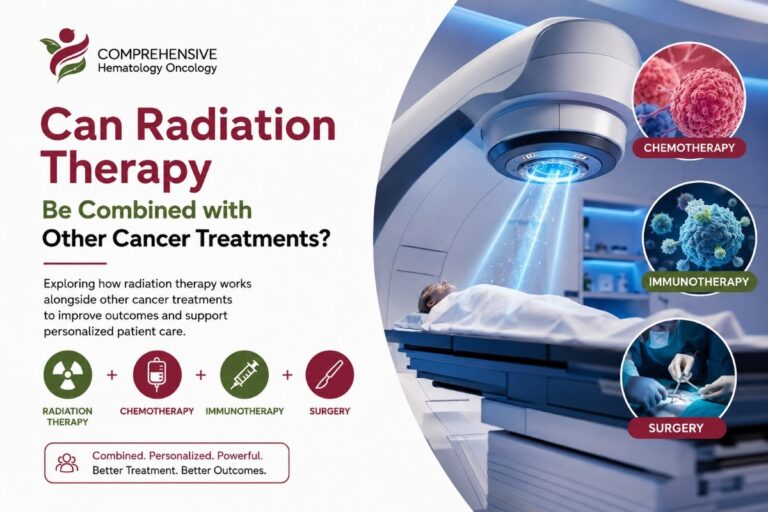
A cancer diagnosis often comes with a flood of new terms and treatment options, and one of the most common questions patients ask is whether radiation therapy has to stand alone. The short answer is no. In fact, radiation therapy is frequently combined with surgery, chemotherapy, immunotherapy, or targeted therapy to give patients the best possible outcome. At Comprehensive Hematology Oncology, our team builds individualized treatment plans that may include one, two, or several of these approaches working together, depending on the type and stage of cancer.
In this article, we’ll break down how radiation therapy works, why it’s often paired with other treatments, and what patients can expect when they’re on a combination treatment plan. If you’re currently searching for a radiation oncologist Palm Harbor, FL, understanding how these treatments work together can help you feel more prepared for that first conversation with your care team.
What Is Radiation Therapy?
Radiation therapy uses high-energy beams, such as X-rays or protons, to damage the DNA of cancer cells and stop them from growing or dividing. It can be given externally through a machine that targets the tumor or internally through brachytherapy, where a radioactive source is placed inside or near the tumor. The type, dose, and schedule depend on the cancer, its location, and the patient’s overall health.
Because radiation mainly treats a specific area, it is often combined with systemic treatments that work throughout the body. Modern techniques such as IMRT and IGRT allow radiation oncologists to target tumors more precisely while protecting nearby healthy tissue. This makes radiation an effective partner to other cancer treatments, helping provide focused treatment while other therapies address cancer cells elsewhere in the body.
Why Doctors Combine Radiation with Other Treatments
Combining radiation with other therapies isn’t a sign that a single treatment “isn’t working.” It’s a deliberate strategy built around how different treatments attack cancer in different ways. Some of the main reasons oncologists recommend a combination approach include:
Shrinking a tumor before surgery, making it easier and safer to remove
Eliminating remaining cancer cells after surgery, lowering the risk of recurrence
Making cancer cells more sensitive to radiation by using certain chemotherapy drugs at the same time
Boosting the immune system’s response to cancer cells that radiation has already damaged
Targeting cancer at both the local and systemic level, since radiation treats a specific area while drug therapies travel throughout the body
Each of these strategies is chosen based on your specific diagnosis, and your care team will explain the reasoning behind your particular plan.
Radiation Therapy + Surgery
Radiation and surgery are frequently paired, and the timing of that combination matters:
Neoadjuvant radiation is given before surgery to shrink a tumor, making it smaller and easier to remove. This is common in cancers like rectal cancer or certain sarcomas.
Adjuvant radiation is given after surgery to destroy any microscopic cancer cells that may remain in the surrounding tissue, reducing the chance of the cancer returning. This approach is common in breast cancer treatment following a lumpectomy.
The decision between neoadjuvant and adjuvant radiation depends on the tumor’s size, location, and how it responds to initial imaging and staging.
Radiation Therapy + Chemotherapy
When radiation and chemotherapy are given during the same treatment window, it’s called concurrent chemoradiation. Certain chemotherapy drugs act as “radiosensitizers,” meaning they make cancer cells more vulnerable to the effects of radiation. This combination is commonly used for cancers such as cervical, lung, esophageal, and some head and neck cancers.
Concurrent chemoradiation can be more intensive than either treatment alone, so your care team will closely monitor side effects and adjust your plan as needed to keep you as comfortable as possible throughout treatment.
Radiation Therapy + Immunotherapy
Immunotherapy works by helping the body’s own immune system recognize and attack cancer cells. Emerging research suggests that radiation therapy may enhance this process. When radiation damages cancer cells, it can release specific proteins that make the tumor more visible to the immune system, a phenomenon sometimes referred to as the “abscopal effect.”
This combination is being used more frequently in cancers like non-small cell lung cancer and certain melanomas, and researchers continue to study new ways to pair radiation with immunotherapy for even better results.
Radiation Therapy + Targeted Therapy
Targeted therapies are drugs designed to interfere with specific molecules involved in cancer cell growth, rather than affecting all rapidly dividing cells the way traditional chemotherapy does. When combined with radiation, targeted therapy can help control cancer growth at a molecular level while radiation addresses the tumor directly. This pairing is often used for cancers with specific genetic markers, and your oncology team will determine if your cancer has features that make it a good candidate for this approach.
How Your Care Team Decides on a Combination Approach
There’s no one-size-fits-all formula for combining cancer treatments. Your oncology team considers several factors before recommending a plan, including:
The type and stage of cancer
Whether the cancer has spread beyond its original location
Your overall health and any existing medical conditions
How your cancer responds to imaging and lab results
Your personal treatment goals and preferences
This is why an accurate diagnosis and thorough staging process come before any treatment recommendations. Your care team will walk you through the reasoning behind your specific plan and answer any questions you have along the way.
What to Expect if You're on a Combination Treatment Plan
If your treatment plan involves more than one therapy, here’s what that generally looks like in practice:
Coordinated scheduling: Your oncologists will map out the order and timing of treatments, whether that means radiation before surgery, chemotherapy alongside radiation, or immunotherapy following radiation.
Close monitoring: Combination treatments can bring a broader range of side effects than a single therapy alone, so your team will check in regularly and adjust your plan if needed.
A multidisciplinary team: Combination treatment plans typically involve several specialists, such as a radiation oncologist, medical oncologist, and surgeon, all communicating about your case.
Support along the way: Managing fatigue, nutrition, and emotional wellbeing is part of the process, and your care team should offer resources to help you through it.
Patients searching for a radiation oncologist Palm Harbor, FL often want reassurance that their treatments will be coordinated smoothly rather than managed in separate silos. That coordination is exactly what a multidisciplinary cancer center is built to provide.
Why Choose a Multidisciplinary Team for Combination Therapy
Combination treatment works best when your specialists are talking to each other, not treating your cancer in isolated pieces. At Comprehensive Hematology Oncology, our radiation oncology, medical oncology, hematology, and infusion teams collaborate directly on each patient’s care plan. This means your radiation oncologist and medical oncologist are reviewing your case together, adjusting timing as needed, and making sure every part of your treatment supports the others.
For patients considering Radiation Therapy for Cancer Palm Harbor, FL, having a local, integrated team can make a meaningful difference, not just in treatment outcomes, but in the day-to-day experience of getting through treatment with support close to home.
Conclusion
Radiation therapy doesn’t have to work alone, and for many patients, it works best as part of a coordinated plan alongside surgery, chemotherapy, immunotherapy, or targeted therapy. The right combination depends on your specific diagnosis, and a multidisciplinary care team is essential to getting the timing and coordination right.
If you or a someone you know have questions about whether combination therapy is right for your cancer diagnosis, the team at Comprehensive Hematology Oncology is here to help. Contact us to schedule a consultation with one of our radiation oncology specialists.
Frequently Asked Questions
1. Does combining treatments mean my cancer is more advanced?
Not necessarily. Combination treatment is a strategy based on cancer type and how different therapies work together, not solely a reflection of stage.
2. Will I experience more side effects with combination therapy?
It’s possible since you’re receiving more than one treatment. Your care team will monitor you closely and adjust your plan to help manage any side effects.
3. How long does a combination treatment plan typically last?
This varies widely depending on the treatments involved and your specific cancer. Your oncologist will provide a timeline tailored to your plan.
4. Can I ask my oncologist why a specific combination was chosen for me?
Absolutely. Understanding the reasoning behind your treatment plan is an important part of feeling confident in your care, and your team should be able to explain it clearly.