
Blood Clotting Disorders: When to See a Hematologist
Blood clotting is an important natural process that helps the body stop bleeding after an injury and prevents too much blood loss. However, when blood clots form too quickly, too slowly, or in the wrong areas of the body, they can lead to serious health problems. Many people overlook the early warning signs of blood clotting disorders because symptoms may seem minor at first. If left untreated, these conditions can increase the risk of complications such as stroke, pulmonary embolism, or heavy bleeding.
Knowing when to seek medical care can help protect your overall health. Symptoms like unusual bruising, swelling, frequent blood clots, or bleeding that lasts longer than normal should not be ignored. At Comprehensive Hematology Oncology, patients receive personalized care and advanced testing for many types of blood disorders. Consulting an experienced Hematologist Tampa FL can help identify the cause of your symptoms early and provide the right treatment to prevent future complications.
What Are Blood Clotting Disorders?
Blood clotting disorders occur when the body’s clotting process does not function properly. Some disorders cause blood to clot too much, while others prevent the blood from clotting effectively. Both conditions can create major health risks if left untreated.
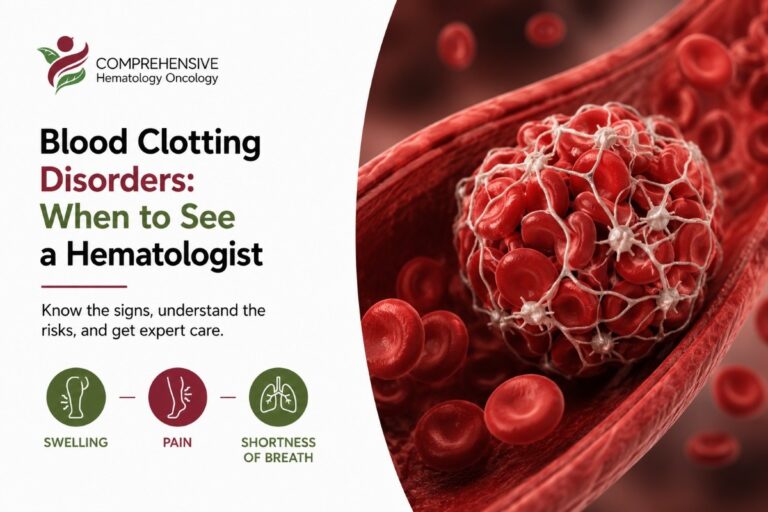
Normally, platelets and proteins in the blood work together to form clots when bleeding occurs. Once healing begins, the clot naturally dissolves. In people with clotting disorders, this process becomes unbalanced. Clots may form inside veins or arteries without injury, or bleeding may continue longer than normal after a cut or surgery.
Some clotting disorders are inherited, meaning they run in families. Others develop due to medical conditions, medications, cancer treatments, infections, or lifestyle factors.
Common Types of Blood Clotting Disorders
There are several different types of clotting disorders, and each affects the body differently. Understanding the most common conditions can help patients recognize warning signs earlier.
1. Deep Vein Thrombosis (DVT) – Blood Clot in a Deep Vein
Deep Vein Thrombosis happens when a blood clot forms in a deep vein, usually in the legs. Symptoms may include swelling, warmth, redness, and pain in one leg. If the clot travels to the lungs, it can become a pulmonary embolism, which requires emergency treatment.
2. Pulmonary Embolism – Blood Clot in the Lungs
A pulmonary embolism occurs when a clot blocks blood flow in the lungs. It may cause chest pain, shortness of breath, rapid heartbeat, and dizziness. This condition can quickly become life-threatening without immediate medical care.
3. Hemophilia – Bleeding Disorder
Hemophilia is a genetic disorder that prevents blood from clotting properly. Even small injuries may lead to excessive bleeding. Some people experience bleeding inside joints and muscles, which can cause long-term damage.
4. Von Willebrand Disease – Inherited Bleeding Disorder
This is one of the most common inherited bleeding disorders. It affects the blood’s ability to clot because of a missing or defective clotting protein. Frequent nosebleeds, heavy menstrual bleeding, and easy bruising are common symptoms.
5. Thrombophilia – Increased Risk of Blood Clots
Thrombophilia refers to conditions that increase the risk of abnormal clot formation. These disorders may be inherited or acquired later in life.
What Causes Blood Clotting Disorders?
Blood clotting disorders can develop for many reasons. Some are genetic, while others are linked to lifestyle or medical conditions.
Common causes include:
- Family history of clotting disorders
- Cancer and cancer treatments
- Smoking
- Obesity
- Long periods of inactivity
- Pregnancy
- Hormonal medications
- Autoimmune diseases
- Liver disease
- Certain infections
People recovering from surgery or extended hospital stays may also have a higher risk of developing blood clots.
What Symptoms Should Never Be Ignored?
Many people dismiss early clotting symptoms because they seem minor. However, early diagnosis can prevent dangerous complications.
- Unusual Bruising : Frequent bruising without injury may indicate a bleeding disorder. Bruises that are unusually large or painful should be evaluated by a specialist.
- Prolonged Bleeding : If cuts continue bleeding for a long time or bleeding does not stop after dental work or surgery, it could be a sign of a clotting problem.
- Swelling or Pain in the Legs : Pain, redness, or swelling in one leg may point to Deep Vein Thrombosis. Immediate medical attention is important because the clot may travel to the lungs.
- Frequent Nosebleeds : Repeated nosebleeds that are difficult to control can sometimes indicate an underlying blood disorder.
- Heavy Menstrual Bleeding : Women with clotting disorders often experience extremely heavy or prolonged menstrual cycles.
- Shortness of Breath or Chest Pain : These symptoms may indicate a pulmonary embolism and should never be ignored.
If you experience any of these warning signs, seeking care from a qualified Hematologist Tampa FL can help identify the underlying cause and provide timely treatment.
When Should You See a Hematologist?
A hematologist specializes in diagnosing and treating blood disorders, including clotting problems. Many people are referred to a hematologist after abnormal blood test results or recurring symptoms.
You should consider seeing a hematologist if:
- You have repeated blood clots
- You experience unexplained bleeding
- There is a family history of clotting disorders
- You bruise easily
- Your blood tests show abnormal clotting levels
- You have recurrent miscarriages linked to clotting conditions
- You are undergoing cancer treatment and develop clotting concerns
Early evaluation helps reduce the risk of severe complications and supports faster treatment planning. At Comprehensive Hematology Oncology, patients receive advanced testing and individualized treatment plans designed around their specific condition and health history.
How Are Blood Clotting Disorders Diagnosed?
Diagnosing clotting disorders usually involves a detailed medical evaluation. A hematologist may review symptoms, family history, medications, and previous medical conditions.
Several diagnostic tests may be used, including:
- Blood Tests : Blood tests measure clotting proteins, platelet levels, and other factors that affect coagulation.
- Imaging Tests : Ultrasound, CT scans, or MRI scans may help locate blood clots inside veins or organs.
- Genetic Testing : Some inherited clotting disorders can be identified through specialized genetic screening.
- Bone Marrow Evaluation : In certain cases, bone marrow testing may help identify blood-related diseases connected to clotting abnormalities.
Getting accurate testing through professional Hematology services in Tampa Bay, FL can improve early detection and help prevent future complications.
What Treatment Options Are Available?
Treatment depends on the type and severity of the disorder. Some conditions require long-term management, while others may only need temporary treatment.
- Blood Thinners : Anticoagulant medications help prevent dangerous clot formation. These medicines are commonly prescribed for Deep Vein Thrombosis and pulmonary embolism.
- Clotting Factor Replacement Therapy : Patients with hemophilia may receive replacement clotting factors to help control bleeding episodes.
- Lifestyle Changes : Healthy lifestyle habits can reduce clotting risks. Staying active, maintaining a healthy weight, quitting smoking, and drinking enough water may improve circulation.
- Compression Stockings : People at risk for leg clots may benefit from compression stockings to improve blood flow.
- Monitoring and Follow-Up Care : Regular follow-up appointments help monitor medication effectiveness and prevent future complications.
Comprehensive Hematology Oncology focuses on creating customized treatment plans that support both short-term recovery and long-term health management.
Can Blood Clotting Disorders Be Prevented?
Not every clotting disorder can be prevented, especially inherited conditions. However, many lifestyle choices can reduce the risk of complications.
- Stay Physically Active : Long periods of sitting can slow circulation and increase clot risk. Walking regularly and stretching during travel can help improve blood flow.
- Maintain a Healthy Weight : Obesity increases strain on blood vessels and raises the likelihood of clot formation.
- Avoid Smoking : Smoking damages blood vessels and significantly increases clotting risk.
- Follow Medical Advice Carefully : People taking blood thinners or other medications should always follow dosage instructions carefully to avoid complications.
- Attend Routine Health Screenings : Regular checkups can identify risk factors before symptoms become severe.
How Are Blood Clotting Disorders Linked to Cancer?
Cancer and cancer treatments can increase the likelihood of abnormal blood clotting. Tumors may affect blood flow, while chemotherapy and certain medications may increase clotting risks. Patients undergoing cancer treatment often require close monitoring for clotting complications. This is why specialized care is essential for managing both conditions safely. At Comprehensive Hematology Oncology, physicians understand the connection between cancer and blood disorders and provide integrated care focused on patient safety and long-term wellness.
Why Early Diagnosis Matters
Delaying medical care can increase the risk of serious complications. Blood clots can travel to vital organs and create emergencies that require hospitalization. On the other hand, untreated bleeding disorders may lead to chronic fatigue, joint damage, or severe blood loss. The earlier a disorder is identified, the more treatment options are available. Timely diagnosis also improves quality of life and helps patients avoid long-term complications. Working with an experienced Hematologist Tampa FL allows patients to receive expert guidance, advanced testing, and personalized treatment strategies tailored to their needs.
Final Thoughts
Blood clotting disorders should never be overlooked. Signs like unusual bruising, bleeding that takes longer to stop, swelling in the legs, or sudden chest pain could indicate a serious health condition. Getting medical care at the right time can help prevent major complications and support better long-term health.
Some clotting disorders cause the blood to clot too easily, while others make it difficult for the blood to clot properly. In both cases, a proper diagnosis and timely treatment are important. At Comprehensive Hematology Oncology, patients receive compassionate care, advanced testing, and personalized treatment for a wide range of blood-related conditions.
If you are noticing warning signs of a blood clotting disorder, don’t wait to seek help. Schedule an appointment with an experienced hematology specialist today and take the first step toward protecting your health and recovery.