
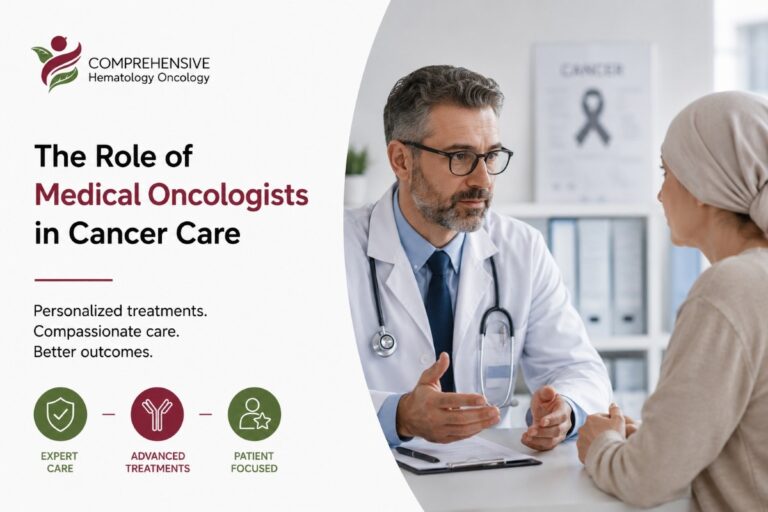
The Role of Medical Oncologists in Cancer Care
Cancer care is about much more than treatment alone. Patients also need guidance, emotional support, accurate diagnosis, and help making informed decisions throughout their journey. Medical oncologists play an important role in this process by creating personalized treatment plans and helping patients feel supported at every stage of care.
At Comprehensive Hematology Oncology, patients receive compassionate care along with advanced treatment options designed to improve both quality of life and treatment outcomes.
Today, cancer treatment is more advanced than ever before. Early detection, modern therapies, and patient-focused care have helped improve outcomes for many people facing cancer. Patients searching for experienced Oncologists Tampa FL often look for specialists who can provide complete care, from diagnosis to recovery support.
Understanding the role of a medical oncologist can help patients and families feel more confident and prepared during treatment.
What Does a Medical Oncologist Do?
A medical oncologist is a doctor who specializes in diagnosing and treating cancer using medications such as:
- Chemotherapy
- Immunotherapy
- Targeted therapy
- Hormone therapy
Medical oncologists work closely with surgeons, radiation oncologists, and other healthcare professionals to create a treatment plan based on the patient’s condition and overall health.
In many cases, medical oncologists become the main doctors guiding cancer treatment. They:
- Monitor treatment progress
- Adjust therapies when needed
- Help manage side effects
- Explain treatment options clearly
- Support patients throughout the recovery process
At Comprehensive Hematology Oncology, care is personalized because every patient’s cancer journey is different. Customized treatment plans can improve comfort, treatment response, and long-term health outcomes.
Why Is Early Consultation With an Oncologist Important?
Meeting with a medical oncologist early can make a major difference in cancer treatment. Early diagnosis and treatment often improve the chances of successful outcomes.
After diagnosis, an oncologist helps patients:
- Understand their condition
- Learn about available treatment options
- Determine the stage and type of cancer
- Create a treatment strategy based on their health needs
Many people feel overwhelmed after hearing they have cancer. Speaking with a specialist early can reduce confusion and provide reassurance during a difficult time. Modern cancer care offers more advanced and targeted treatments than ever before, giving patients additional hope and treatment options.
How Medical Oncologists Create Personalized Treatment Plans
Cancer treatment is not the same for every patient. Medical oncologists carefully study several factors before recommending treatment, including:
- Type of cancer
- Stage of cancer
- Patient’s age and overall health
- Tumor characteristics and genetic markers
- Lifestyle and personal treatment goals
Based on these details, oncologists recommend therapies that offer the best possible results.
For example:
- Some patients may benefit from chemotherapy.
- Others may respond better to immunotherapy or targeted therapy.
Personalized care is one reason many patients choose Comprehensive Hematology Oncology for advanced cancer treatment support. The goal is not only to treat cancer but also to maintain comfort and quality of life during treatment.
Common Treatments Provided by Medical Oncologists
Medical oncologists manage different types of cancer treatments depending on the patient’s condition.
- Chemotherapy : Chemotherapy uses strong medications to destroy cancer cells or slow their growth. During treatment, oncologists closely monitor patients to manage side effects and evaluate how well the treatment is working.
- Immunotherapy : Immunotherapy helps the body’s immune system identify and attack cancer cells more effectively. This treatment has improved outcomes for several types of cancer.
- Targeted Therapy : Targeted therapy focuses on specific genes or proteins that help cancer grow. These treatments are designed to attack cancer cells more precisely while reducing damage to healthy cells.
- Hormone Therapy : Some cancers grow because of hormones in the body. Hormone therapy helps block or reduce hormone activity to slow cancer growth.
Modern Oncology services in Tampa Bay, Florida now provide patients with access to advanced therapies and supportive care options in one location.
How Medical Oncologists Support Patients Emotionally
Cancer affects emotional health as well as physical health. Patients may experience fear, stress, anxiety, or uncertainty after diagnosis.
Medical oncologists help by:
- Answering questions honestly
- Explaining treatment expectations clearly
- Providing emotional reassurance
- Connecting patients with support services
Care teams may also work with:
- Counselors
- Nutritionists
- Pain management specialists
- Support groups
At Comprehensive Hematology Oncology, patient-centered care includes listening carefully to concerns and supporting patients emotionally throughout treatment.
What to Expect During Your First Visit With a Medical Oncologist
It is normal to feel nervous before the first oncology appointment. Understanding what happens during the visit can help patients feel more comfortable.
During the first appointment, the oncologist may:
- Review medical records and test results
- Discuss symptoms and concerns
- Explain the diagnosis
- Recommend additional tests if needed
- Talk about treatment options
- Answer questions about side effects and recovery
Patients are encouraged to bring a family member or friend for support and to help remember important information discussed during the appointment.
How Medical Oncologists Are Improving Cancer Survival Rates
Advances in cancer research and treatment have greatly improved survival rates over the years.
Medical oncologists stay updated on:
- New therapies
- Clinical trials
- Treatment technologies
- Precision medicine approaches
Innovations such as immunotherapy and genetic testing allow doctors to choose treatments that may work better for specific patients. Many individuals searching for trusted Oncologists Tampa FL look for specialists who combine advanced medical knowledge with compassionate care. Choosing the right oncology team can make a meaningful difference in treatment success and long-term health.
Why Follow-Up Care Is Important After Cancer Treatment
Cancer care continues even after treatment ends. Follow-up care is important for:
- Monitoring recovery
- Detecting recurrence early
- Managing long-term side effects
Supporting overall health
Follow-up visits may include:
- Blood tests
- Imaging scans
- Physical exams
- Nutrition guidance
- Lifestyle recommendations
At Comprehensive Hematology Oncology, ongoing support remains an important part of patient care because recovery continues after active treatment is completed.
Questions Patients Should Ask Their Medical Oncologist
Patients should feel comfortable asking questions about their diagnosis and treatment plan.
Helpful questions may include:
- What type and stage of cancer do I have?
- What treatment options are available?
- What side effects should I expect?
- How long will treatment last?
- Will treatment affect my daily activities?
- Are there lifestyle changes I should make?
- What support services are available?
Clear communication helps patients make informed and confident decisions about their care.
Why Choosing the Right Medical Oncologist Matters
Choosing the right oncologist is one of the most important decisions after a cancer diagnosis.
Patients should look for specialists who provide:
- Experience in cancer treatment
- Personalized care plans
- Clear communication
- Advanced treatment options
- Emotional support and compassionate care
Cancer treatment can feel overwhelming, but having the right medical team can provide comfort, guidance, and confidence throughout the journey. At Comprehensive Hematology Oncology, patients receive dedicated care designed to support them physically and emotionally from diagnosis through recovery.
Final Thoughts
If you are looking for cancer treatment options, choosing experienced specialists can help you feel more confident and supported during your journey. With the right care and guidance, patients can better understand their condition and treatment choices. Today’s advanced cancer treatments, personalized care plans, and compassionate support are helping improve recovery and quality of life for many patients. Early care and expert attention can make a meaningful difference. Contact us today to learn more or book a consultation.