
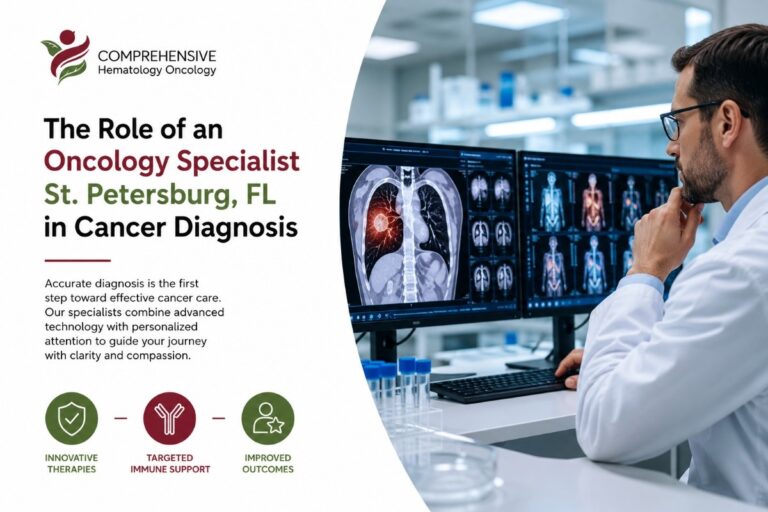
The Role of an Oncology Specialist St. Petersburg, FL in Cancer Diagnosis
Cancer is one of the most challenging health conditions a person can face. While medical science has made remarkable progress in diagnosing and treating different types of cancer, early detection and expert medical care remain the most important factors in improving outcomes. This is where an experienced Oncology Specialist St. Petersburg, FL plays a vital role in identifying cancer, determining its stage, and creating a personalized treatment plan.
At Comprehensive Hematology Oncology, patients receive compassionate, evidence-based cancer care from experienced specialists who focus on accurate diagnosis and individualized treatment. Whether someone is experiencing unusual symptoms or has received an abnormal screening result, seeking expert oncology care can make a significant difference in both treatment success and quality of life.
This guide explains how oncology specialists contribute to cancer diagnosis, why early detection matters, and what patients can expect throughout the diagnostic process.
What Does an Oncology Specialist Do?
An oncology specialist is a physician who specializes in diagnosing, treating, and managing cancer. Their expertise extends beyond prescribing treatments, they evaluate medical history, interpret diagnostic reports, coordinate with other healthcare providers, and develop comprehensive treatment strategies tailored to each patient.
Cancer is not a single disease. It includes hundreds of different conditions that affect various organs and tissues. Because every cancer behaves differently, diagnosis requires a thorough understanding of how different cancers develop and spread.
An oncology specialist works closely with radiologists, pathologists, surgeons, and other medical professionals to ensure patients receive accurate diagnoses and appropriate treatment recommendations.
Why Is Early Cancer Diagnosis So Important?
One of the biggest advantages of early diagnosis is that many cancers are significantly easier to treat before they spread to other parts of the body. When cancer is detected in its early stages, patients often have:
- More treatment options
- Better response to therapy
- Less aggressive treatments
- Improved survival rates
- Better quality of life
Many cancers initially develop without noticeable symptoms. Regular health screenings and prompt evaluation of unusual symptoms allow doctors to identify potential problems before they become more advanced. This is why healthcare providers encourage individuals not to ignore persistent symptoms such as unexplained weight loss, ongoing fatigue, unusual bleeding, persistent pain, or changes in bowel or bladder habits.
When Should You See an Oncology Specialist?
Many people believe they should only visit an oncologist after receiving a cancer diagnosis. However, this is not always true.
Patients may be referred to an oncology specialist when:
- Imaging studies reveal suspicious findings.
- Blood tests show abnormal results.
- A biopsy suggests possible cancer.
- Family history increases cancer risk.
- Persistent symptoms require further evaluation.
- Previous cancer needs ongoing monitoring.
Seeking specialized care early helps ensure that the right diagnostic tests are performed promptly and accurately.
How Does an Oncology Specialist Diagnose Cancer?
Diagnosing cancer involves much more than ordering a single test. Specialists combine clinical evaluation with advanced diagnostic techniques to determine whether cancer is present and how far it has progressed.
The diagnostic process usually begins with a detailed consultation. During this appointment, the doctor reviews medical history, family history, lifestyle factors, current symptoms, previous illnesses, and medications.
A physical examination may reveal abnormalities such as enlarged lymph nodes, unusual lumps, or organ enlargement. Depending on the findings, additional diagnostic tests may be recommended.
Which Tests Help Confirm a Cancer Diagnosis?
Cancer diagnosis often requires multiple tests because each provides different information about the disease.
Common diagnostic tools include:
Blood Tests : Blood tests can identify abnormal blood cell counts, tumor markers, organ function, and other indicators that help guide diagnosis.
Imaging Studies : Modern imaging technologies allow physicians to identify suspicious growths and determine their location.
Common imaging methods include:
- CT scans
- MRI scans
- PET scans
- Ultrasound
- X-rays
These tests provide valuable information before additional procedures are performed.
Biopsy : A biopsy remains one of the most important methods for confirming cancer. During a biopsy, a small tissue sample is removed and examined under a microscope by a pathologist. This determines whether cancer cells are present and identifies the specific type of cancer.
Genetic and Molecular Testing : Many cancers today are evaluated using molecular testing to identify genetic changes that influence treatment decisions.
These advanced tests help doctors choose therapies that target specific characteristics of the cancer.
Why Is Cancer Staging So Important?
Receiving a cancer diagnosis is only the first step. After confirming cancer, doctors determine its stage. Staging describes:
- Tumor size
- Whether nearby lymph nodes are involved
- Whether cancer has spread to other organs
Understanding the stage helps physicians recommend the most effective treatment plan. Cancer staging also helps predict outcomes and allows healthcare teams to monitor treatment progress more accurately.
How Does Personalized Cancer Care Improve Outcomes?
Every patient’s cancer journey is unique. Age, general health, medical history, cancer type, genetic profile, and personal preferences all influence treatment planning.
An experienced oncology team develops individualized care plans that may include:
- Chemotherapy
- Immunotherapy
- Targeted therapy
- Hormone therapy
- Radiation therapy
- Surgery
- Clinical trial participation when appropriate
Rather than applying the same treatment to every patient, personalized oncology care focuses on selecting therapies that are most likely to achieve the best possible results. At Comprehensive Hematology Oncology, personalized treatment planning ensures patients receive care that aligns with their medical needs and long-term health goals.
What Happens During Your First Oncology Appointment?
Many patients feel anxious before meeting an oncologist for the first time. Understanding what to expect can reduce uncertainty.
The initial consultation generally includes:
- Discussion of current symptoms
- Review of previous medical records
- Family history assessment
- Physical examination
- Review of imaging reports
- Review of pathology results
- Discussion of additional testing if needed
- Explanation of possible treatment options
Patients are encouraged to ask questions and involve family members or caregivers during appointments. Open communication helps patients better understand their diagnosis and treatment choices.
How Do Oncology Specialists Work With Other Medical Experts?
Cancer treatment often requires a multidisciplinary approach. Instead of relying on one physician, patients benefit from a coordinated team that may include:
- Medical oncologists
- Hematologists
- Surgical oncologists
- Radiation oncologists
- Pathologists
- Radiologists
- Oncology nurses
- Nutrition specialists
- Pain management experts
- Social workers
Collaboration among specialists allows patients to receive comprehensive care throughout every stage of treatment.
Can Regular Cancer Screenings Save Lives?
Yes. Cancer screening plays a major role in identifying disease before symptoms develop. Depending on age, family history, and personal risk factors, healthcare providers may recommend screenings such as:
- Mammograms
- Colon cancer screening
- Cervical cancer screening
- Prostate cancer screening
- Lung cancer screening for high-risk individuals
These screenings can detect abnormalities early, allowing treatment to begin sooner. Individuals with a strong family history of cancer should discuss personalized screening recommendations with their healthcare provider.
What Should Patients Do After Receiving a Cancer Diagnosis?
A cancer diagnosis can feel overwhelming, but taking organized steps can help patients move forward confidently.
Patients should:
- Learn about their specific cancer type.
- Understand available treatment options.
- Keep copies of medical records.
- Prepare questions before appointments.
- Follow recommended treatment schedules.
- Maintain open communication with healthcare providers.
- Seek emotional support from family, friends, or support groups.
Having a knowledgeable medical team helps patients make informed decisions throughout treatment.
How Does Modern Oncology Continue to Improve Cancer Care?
Cancer care has changed dramatically over the past decade. Advancements in medical research have introduced therapies that are more precise, less invasive, and increasingly effective for many patients.
Innovations include:
- Precision medicine
- Advanced imaging technology
- Molecular diagnostics
- Targeted therapies
- Immunotherapy
- Personalized treatment planning
- Improved supportive care
These developments continue to improve both survival rates and quality of life for cancer patients. Working with an experienced Oncology Specialist St. Petersburg, FL ensures patients have access to current diagnostic techniques and modern treatment approaches that follow established clinical guidelines.
Why Choosing the Right Oncology Team Matters
Cancer treatment is not only about medical expertise, it is also about trust, communication, and compassionate care. Patients often undergo months or even years of treatment, making it important to work with a team that listens carefully, answers questions clearly, and provides continuous support.
Choosing an experienced oncology practice means receiving coordinated care from professionals dedicated to improving both physical and emotional well-being. At Comprehensive Hematology Oncology, patients receive comprehensive evaluations, individualized treatment planning, and ongoing support throughout every stage of their cancer journey.
Whether someone is seeking a second opinion, beginning treatment, or managing long-term follow-up care, having an experienced oncology team can make the process more manageable and reassuring.
Frequently Asked Questions
1. What does an oncology specialist treat?
An oncology specialist diagnoses, treats, and manages different types of cancer while coordinating personalized treatment plans.
2. Do I need a referral to see an oncologist?
This depends on your insurance plan and healthcare provider. Some patients may require a referral, while others can schedule directly.
3. How is cancer confirmed?
Cancer is usually confirmed through a biopsy along with imaging studies, laboratory tests, and pathology evaluation.
4. Can early diagnosis improve cancer treatment outcomes?
Yes. Early detection often provides more treatment options and can improve the chances of successful treatment.
5. What should I bring to my first oncology appointment?
Bring previous medical records, imaging reports, pathology results, medication lists, insurance information, and any questions you would like to discuss.
Take the Next Step Toward Expert Cancer Care
If you need expert evaluation, timely diagnosis, or personalized cancer treatment, Comprehensive Hematology Oncology is here to providing compassionate, patient-centered care every step of the way.
Whether you’re seeking guidance after abnormal test results or looking for ongoing cancer management, our experienced team is here to help. Schedule your consultation today with an Oncology Specialist St. Petersburg, FL and take the first step toward informed, confident cancer care.