
How to Manage Side Effects During Cancer Treatment Tampa FL: Tips and Support
Cancer treatment is an important step toward healing, but it can also bring physical and emotional challenges. Many patients experience side effects during therapy, which can make daily life more difficult if they are not properly managed. Understanding how to handle these changes can make the journey smoother for both patients and their families.
For individuals receiving Cancer Treatment Tampa FL, learning practical ways to manage side effects is a key part of improving comfort, maintaining strength, and supporting overall well-being. While every patient’s experience is different, the right support, lifestyle adjustments, and medical guidance can make a significant difference.
At Comprehensive Hematology Oncology, patients receive personalized care and guidance to help manage treatment side effects and maintain a better quality of life throughout their cancer journey. This guide will help you understand common side effects of cancer therapy and provide helpful tips to manage them effectively while staying focused on recovery.
Why Do Cancer Treatments Cause Side Effects?
Cancer treatments such as chemotherapy, radiation therapy, immunotherapy, and targeted therapy are designed to destroy cancer cells. However, some treatments may also affect healthy cells in the body. This can lead to temporary side effects that vary depending on the type of treatment, the patient’s health, and the body’s response to therapy.
Side effects are not a sign that treatment is failing. In many cases, they simply show that the therapy is actively working in the body. Doctors closely monitor patients throughout treatment to manage these effects and adjust care plans when necessary. Understanding why side effects occur can help patients feel more prepared and confident in handling them.
What Are the Most Common Side Effects During Cancer Treatment?
Many patients experience some level of physical discomfort during treatment. These effects can range from mild to moderate and are usually temporary. Fatigue is one of the most common concerns. Cancer therapy can make the body work harder, which may leave patients feeling extremely tired even after rest. Nausea and appetite changes are also frequent, especially during chemotherapy.
Some patients notice hair loss, skin sensitivity, or changes in taste. Others may experience weakened immunity, making them more prone to infections. Emotional side effects are also important to recognize. Anxiety, stress, or mood changes may occur as patients adjust to the diagnosis and treatment process. Knowing what to expect allows patients to take steps early and work with their healthcare team to manage these challenges.
How Can Patients Manage Fatigue During Treatment?
Cancer-related fatigue is different from normal tiredness. It can feel overwhelming and may not improve with sleep alone. One of the best ways to manage fatigue is by maintaining a balanced daily routine. Light physical activity, such as short walks or gentle stretching, can help boost energy levels. Exercise may seem difficult at first, but even small movements can improve circulation and reduce exhaustion.
Proper nutrition also plays a big role. Eating regular meals with enough protein, fruits, and vegetables helps the body recover and maintain strength. Patients should also listen to their bodies and take breaks when needed. Planning important tasks during times of higher energy can make daily life easier.
What Helps Reduce Nausea and Digestive Issues?
Digestive discomfort is another common concern during treatment. Fortunately, there are several strategies that can help reduce nausea and improve appetite. Eating smaller meals throughout the day instead of large portions can be easier on the stomach. Bland foods such as rice, toast, or soups may be more comfortable to eat when nausea occurs.
Drinking plenty of fluids is also important to prevent dehydration. Water, herbal teas, and clear broths can help keep the body hydrated. Doctors may also prescribe medications that control nausea and vomiting. Patients should always follow their healthcare provider’s advice and report any ongoing digestive problems so adjustments can be made.
For patients undergoing Cancer Treatment Tampa FL, working closely with specialists ensures that digestive side effects are addressed quickly and effectively.
How Can Emotional Well-Being Be Supported During Treatment?
Cancer treatment affects more than just the body. Emotional health plays a major role in overall recovery and quality of life. Many patients experience fear, uncertainty, or stress during treatment. These feelings are completely normal. Talking openly with family members, friends, or counselors can help reduce emotional pressure.
Support groups are also valuable resources. Connecting with others who are going through similar experiences can provide encouragement, understanding, and hope. Mindfulness practices such as meditation, deep breathing, or gentle yoga may also help patients stay calm and focused. Taking care of mental health is just as important as managing physical symptoms during cancer care.
Why Is Nutrition Important During Cancer Treatment?
The body needs proper nutrition to handle the demands of cancer therapy. Healthy eating supports the immune system, helps maintain strength, and may improve the body’s ability to recover. Patients should aim for a balanced diet that includes lean protein, whole grains, fruits, vegetables, and healthy fats. Protein-rich foods like eggs, beans, fish, and yogurt help repair tissues and maintain muscle strength.
Sometimes treatment can change how food tastes or reduce appetite. When this happens, patients may benefit from nutrient-dense foods such as smoothies, soups, or small snacks throughout the day. A nutrition specialist can help create a personalized eating plan that fits the patient’s needs during treatment.
How Important Is Communication With Your Cancer Care Team?
Open communication with healthcare providers is essential during treatment. Patients should feel comfortable discussing any new symptoms, side effects, or concerns they may experience. Doctors and oncology specialists can provide medications, therapy adjustments, or supportive care options that reduce discomfort and improve quality of life.
Keeping a symptom journal can also be helpful. Writing down changes in appetite, energy levels, sleep patterns, or mood can help doctors better understand what the patient is experiencing. Regular communication ensures that side effects are managed early before they become more serious.
What Role Does Family Support Play During Treatment?
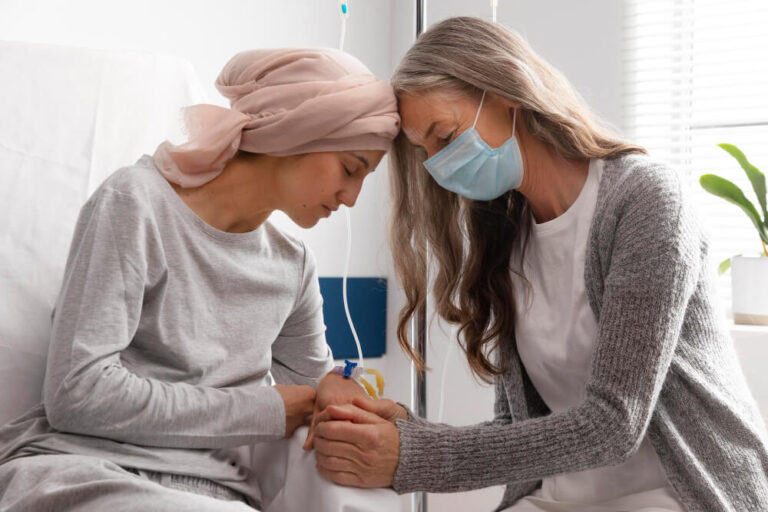
Family members and caregivers play a crucial role in helping patients manage side effects. Their support can provide emotional strength and practical assistance throughout the treatment process. Caregivers often help with daily tasks, transportation to appointments, meal preparation, and medication reminders. Their presence can also provide comfort and reassurance during challenging moments. Patients should not hesitate to lean on their support network. Accepting help from loved ones allows them to focus more energy on recovery and healing.
When Should You Contact Your Doctor About Side Effects?
While many side effects are manageable at home, certain symptoms require immediate medical attention. Patients should contact their doctor if they experience severe pain, persistent vomiting, high fever, difficulty breathing, or sudden changes in physical condition. These symptoms may indicate complications that need quick evaluation.
Early communication with healthcare providers can prevent small problems from becoming larger concerns. Medical teams closely monitor patients receiving Cancer Treatment Tampa FL to ensure their safety and comfort throughout every stage of care.
Creating a Daily Routine That Supports Recovery
Building a simple daily routine can help patients maintain a sense of stability during treatment. Small habits such as regular meal times, light physical activity, and scheduled rest periods can improve both physical and mental well-being.
Patients may also benefit from setting small daily goals. These goals could include taking a short walk, reading a book, spending time with loved ones, or practicing relaxation techniques. Consistency in daily routines can provide structure and help patients stay motivated during treatment.
Final Thoughts: Managing Side Effects With the Right Support
Cancer treatment can be challenging, but patients do not have to face it alone. With the right guidance, medical care, and support system, many side effects can be managed successfully. Understanding common symptoms, maintaining healthy habits, and staying connected with healthcare providers all play an important role in improving the treatment experience.
For those undergoing Cancer Treatment Tampa FL, having access to compassionate care, experienced specialists, and reliable support resources can make the journey more manageable and hopeful. By focusing on both physical health and emotional well-being, patients can move through treatment with greater confidence, strength, and resilience while working toward recovery. For more details, book your appointment now!