
Cancer-Preventive Foods vs. Cancer-Promoting Foods
Food shapes your health more than you imagine. Every bite builds your body and affects how your cells behave. Some foods strengthen your natural defense. Some put stress on your system. Some trigger inflammation. Some support healing. When you understand what helps and what harms, you protect your long-term health in the simplest way.
Today, I will walk you through a clear and practical guide that shows how foods can lower your cancer risk and how some foods can increase it. This guide comes from years of writing for medical experts and helping healthcare brands rank high on search engines. You will understand everything without confusion or medical complexity. You will also learn how Comprehensive Hematology Oncology supports people who look for the most trusted and advanced Cancer Treatment Tampa FL options. Let’s begin.
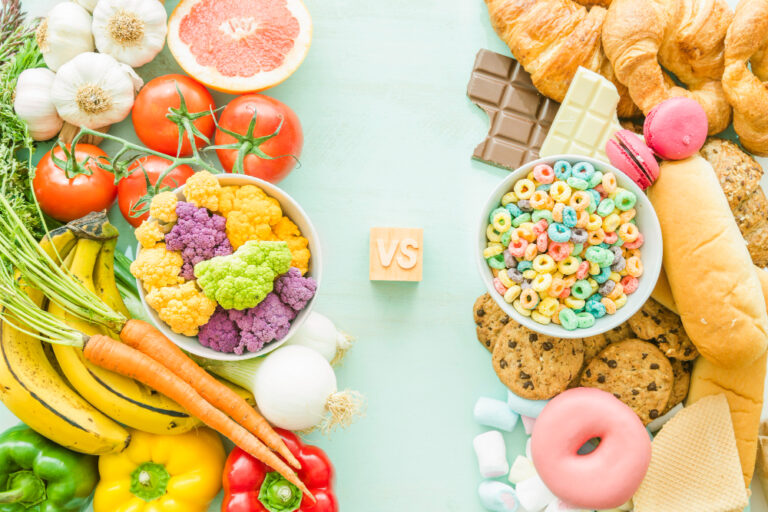
1. Why Food Matters So Much in Cancer Prevention
Your body fights tiny threats every single day. Damaged cells appear naturally, and your immune system removes them. But when your diet stays unhealthy for long, your body loses this balance. Inflammation rises. Toxins stay longer. Hormones shift. This environment creates the perfect background for harmful cell growth.
Healthy food protects your body in three strong ways:
- It reduces inflammation
- It strengthens your immune response
- It supports cell repair
- It neutralizes harmful toxins
- It prevents DNA damage
Unhealthy food does the opposite. It increases inflammation. It raises blood sugar. It feeds harmful cells. It weakens your natural defense.
2. What Exactly Are Cancer-Preventive Foods?
Fruits That Protect Your Cells
Fruits are rich in vitamins, minerals, fiber, and natural plant compounds that help protect your cells from damage. Consuming fruits daily supports your body’s defense system and lowers inflammation. Blueberries, strawberries, oranges, apples, pomegranates, and dark grapes are especially beneficial. These fruits contain antioxidants such as anthocyanins, flavonoids, and vitamin C, which repair cell damage and keep your cells healthy and strong. Including a variety of fruits in your daily diet is an easy and delicious way to nourish your body at the cellular level.
Vegetables That Lower Cancer Risk
Vegetables are powerful defenders for your body, helping to cleanse toxins, support liver function, and carry phytochemicals that slow harmful cell growth. Among the most protective vegetables are cruciferous vegetables like broccoli, cauliflower, cabbage, kale, and Brussels sprouts. These vegetables are rich in glucosinolates, compounds that help your body remove toxins and repair damaged cells. Leafy greens such as spinach, Swiss chard, lettuce, and fenugreek leaves are also vital, providing chlorophyll, iron, and other minerals that improve oxygen flow and support cell repair.
Whole Grains That Protect Your Gut
A healthy gut plays a crucial role in immunity by reducing inflammation and strengthening your natural defenses. Whole grains help maintain gut health and steady digestion by providing fiber that removes harmful waste. Oats, brown rice, quinoa, barley, and whole wheat are excellent additions to your meals. Eating whole grains daily supports a balanced digestive system and boosts overall immunity.
Nuts and Seeds That Support Hormonal Balance
Nuts and seeds are rich in healthy fats that promote hormonal health and reduce inflammation. Almonds, walnuts, chia seeds, pumpkin seeds, and flaxseeds are particularly beneficial. Flaxseeds, in particular, help regulate estrogen balance, which may reduce the risk of certain cancers. Including a mix of nuts and seeds in your diet daily ensures your body receives essential nutrients for overall wellness and hormonal support.
Spices That Act Like Natural Medicine
Everyday spices carry powerful health benefits that act like natural medicine. Turmeric helps fight inflammation, ginger soothes the digestive tract, garlic strengthens immunity, and cinnamon helps manage blood sugar. Incorporating these spices into your meals provides daily healing support and enhances your body’s protective mechanisms naturally.
Lean Proteins That Keep Your Strength High
Healthy proteins are essential for maintaining muscle strength, supporting tissue repair, and promoting overall wellness. Fish, eggs, lentils, chickpeas, tofu, and beans are excellent sources of lean protein. Regular intake of these foods helps your body recover from stress and injury while maintaining energy and strength.
3. Foods That Can Promote Cancer: What You Must Avoid or Reduce
Some foods weaken the body. They damage cells. They increase inflammation. They overload the digestive system. Long-term use of these foods raises the risk of several health problems, including cancer. People who visit Comprehensive Hematology Oncology for guidance on Cancer Treatment Tampa FL often ask what foods they should stop immediately. The answer stays simple. Remove or reduce foods that trigger inflammation, cause hormonal imbalance, or add chemical stress to the body.
Let’s break them down.
Processed Meats
Processed meats such as hot dogs, bacon, sausages, and deli meats often contain nitrates, preservatives, and other chemical agents that can harm your cells. Regular consumption of these foods may increase inflammation and negatively affect long-term health. Limiting processed meats in your diet helps protect your cells and supports overall wellness.
Deep-Fried Foods
Deep-fried foods can be harmful because oil becomes toxic at high temperatures, triggering inflammation and oxidative stress. French fries, fried chicken, pakoras, chips, and other fried snacks can slow metabolism and weaken the immune system. Reducing or avoiding these foods helps your body stay strong and reduces the risk of chronic diseases.
Sugary Foods and Drinks
Sugar feeds inflammation, causes hormonal changes, and increases body fat, leaving your body more vulnerable to illness. Common sugary foods and drinks include soda, sugary juices, cookies, cakes, sweets, and milkshakes. Limiting sugar not only helps maintain energy and weight but also supports long-term cell health.
Excessive Red Meat
While small amounts of red meat can be part of a balanced diet, daily or heavy intake puts stress on your digestive system, increases inflammation, and raises certain cancer risks. It’s better to keep red meat limited and choose alternatives like chicken, eggs, fish, or plant-based proteins for healthier protein sources.
Packaged Foods with Additives
Packaged foods that stay on shelves for months often contain preservatives, artificial flavors, colors, and stabilizers. These chemicals can create long-term stress on your cells and digestive system. Minimizing processed packaged foods helps your body function more efficiently and reduces unnecessary chemical exposure.
Alcohol
Alcohol promotes oxidation in the body, affects liver function, and disrupts digestion and energy levels. Avoiding alcohol or significantly reducing intake lowers cancer risk and supports overall cell health.

4. How to Build a Cancer-Safe Daily Diet
You do not need major changes. You need small and steady habits. Here is a simple structure:
Morning Routine
Start your day with a glass of warm water to wake up your digestive system. Follow it with a fresh fruit of your choice for vitamins and fiber. For a wholesome breakfast, include oatmeal or eggs along with a handful of nuts. This combination provides energy, supports digestion, and keeps you full until lunch.
Lunch Ideas
For lunch, fill your plate with a big bowl of vegetables to get essential vitamins and minerals. Pair it with a lean protein source such as fish, chicken, lentils, or beans, and include a serving of whole grains like brown rice, quinoa, or whole wheat. Finish your meal with yogurt or buttermilk to support gut health and immunity.
Evening Snack
In the evening, keep your snack light and nutritious. Choose a fruit along with some nuts or seeds for healthy fats and fiber. Herbal tea can be a soothing addition to relax your body and support digestion.
Dinner Suggestions
Dinner should be light and easy to digest. Include a source of lean protein along with cooked vegetables, using minimal oil. This ensures your body gets nutrients without overloading your digestive system before sleep.
Weekly Health Tips
Stay hydrated by drinking plenty of water throughout the day. Include daily walks or light physical activity to maintain overall health. Reduce sugar and limit fried foods to support cell health and immunity. Add colorful vegetables to your meals to get a variety of nutrients, and make sure to get enough sleep to allow your body to repair and rejuvenate.
5. Myth vs. Reality About Cancer-Related Foods
People hear many wrong ideas. Let’s clear them.
Myth 1: Only junk food causes cancer.
Reality: Long-term imbalance, even with normal food, can trigger risks.
Myth 2: Eating healthy guarantees you never get cancer.
Reality: Healthy food reduces risk, but regular checkups stay important.
Myth 3: Fruit contains sugar, so it is harmful.
Reality: Natural sugar behaves differently. Fruits protect your body.
Myth 4: Organic food is the only safe food.
Reality: Clean, simple home-cooked meals work better than labels.
6. Lifestyle Habits That Support a Cancer-Safe Diet
Your food gives strength, but your daily habits complete the protection.
Follow these simple habits:
- Move your body every day
- Drink clean water
- Sleep well
- Manage stress
- Avoid smoking
- Go for regular screenings
- Keep your weight in balance
A balanced lifestyle strengthens the effect of cancer-preventive foods.
7. Why Experts Emphasize Prevention Today
Cancer treatment keeps advancing. Technology improves. Results get better. But prevention gives the strongest foundation. When you control your lifestyle and food habits, you reduce risks dramatically.
Doctors today encourage:
- More plant-based eating
- Fewer fried and packaged foods
- Active lifestyle
- Early checkups
Your daily decisions create your long-term health.
Conclusion: Take Charge of Your Health with Smart Food Choices
Your diet gives you power. Every meal becomes a step toward protection or risk. When you choose fresh, colorful, and natural foods, you give your system the strength it needs. You reduce inflammation. You support healing. You protect your future.
People who look for reliable guidance and advanced Cancer Treatment Tampa FL trust Comprehensive Hematology Oncology because the team believes in complete care—treatment, education, and prevention. When you take the right steps today, you give your body the best chance for long-term health. Call us today!
Frequently Asked Questions (FAQs)
1. Can food really help prevent cancer?
Yes. Healthy foods reduce inflammation, support immunity, and protect cells from long-term damage.
2. Which foods should I avoid completely?
Processed meats, deep-fried foods, sugary drinks, and foods with additives increase risk and should be avoided or minimized.
3. How often should I eat fruits and vegetables?
Two to three fruit servings and four to five vegetable servings daily support good health.
4. Does sugar always increase cancer risk?
Sugar increases inflammation and weight gain, which raises risk. Natural fruit sugar is safe and beneficial.
5. Do I need supplements for cancer prevention?
Not always. A balanced diet with real foods usually provides everything your body needs. Supplements depend on individual needs and medical guidance.