
How Sunscreen Protects Against Skin Cancer: Myths vs Facts
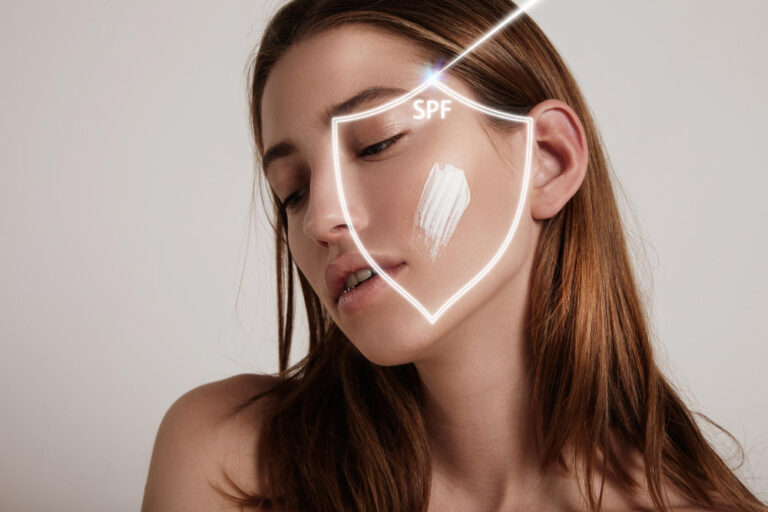
Many people think sunscreen is just for sunny days or beach holidays, but it actually plays a powerful role in protecting us from skin cancer. Skin cancer happens when harmful ultraviolet (UV) rays damage the DNA inside skin cells. When that damage keeps happening, cells can start growing in an abnormal way, which may turn into cancer. Sunscreen forms a protective shield over the skin by absorbing or reflecting UV rays, helping prevent deep damage to skin cells. When used correctly and regularly, sunscreen can greatly lower the risk of skin cancer, including serious types like melanoma.
Doctors and cancer specialists, including the expert team at Comprehensive Hematology Oncology and professionals involved in cancer treatment Tampa FL, strongly recommend sunscreen as one of the first and most important steps in protecting your skin. Even people who do not burn easily or have darker skin tones can develop skin cancer, which is why daily sunscreen use is important for everyone.
Is Skin Cancer Really That Common, And Should I Be Concerned?
Yes, skin cancer is unfortunately one of the most common cancers worldwide. Many people underestimate the sun because sun exposure is part of daily life. Activities like walking outside, driving, working outdoors, or even sitting near windows expose the skin to UV radiation. Over time, this constant exposure increases risk.
In places like Florida, where sunlight is strong for most of the year, protection becomes even more important. People in Tampa and surrounding areas spend a lot of time outdoors, which increases lifetime UV exposure. The good news is that many skin cancers are preventable with simple measures like regular sunscreen use, shade protection, and awareness.
What Types of UV Rays Does Sunscreen Protect Me From?
The sun produces two major types of rays that damage skin: UVA and UVB. UVA rays penetrate deeply into the skin and speed up aging. They are responsible for wrinkles, pigmentation, fine lines, and tanning. UVB rays affect the surface of the skin and cause sunburn. Both types can damage DNA and lead to skin cancer.
A good sunscreen is labeled “broad-spectrum.” This means it protects against both UVA and UVB rays. Without broad-spectrum protection, skin is still at risk. Even on cloudy days, UVA rays can pass through clouds and glass and still damage the skin. So sunscreen is not only for sunny beach days, it is needed regularly when exposed to daylight.
Does Higher SPF Mean Better Protection Or Is That A Myth?
Many people believe SPF is only about sunburn prevention, but it actually relates to protection strength. SPF stands for Sun Protection Factor, and it measures how well sunscreen protects against UVB rays, the ones that cause burning. SPF 15 blocks about 93% of UVB rays, SPF 30 blocks around 97%, and SPF 50 blocks about 98%. While no sunscreen can block 100% of rays, higher SPF gives stronger coverage.
However, a common myth is that SPF 100 means you can stay in the sun all day safely. That is not true. Sweat, water, rubbing, and time reduce sunscreen effectiveness. Regardless of SPF, sunscreen needs to be reapplied every two hours when outdoors. So yes, higher SPF is better protection, but reapplication is just as important.
Do I Really Need Sunscreen If My Skin Is Darker Or I Don’t Burn Easily?
This is one of the biggest myths people believe. Many think darker skin cannot get skin cancer, but that is not true. While darker skin has more melanin, which provides some natural protection, it does not guarantee safety from UV damage. Skin cancer can develop in any skin tone, and when it appears in darker skin, it is sometimes detected late, making treatment more challenging.
People who tan instead of burn are still experiencing skin damage. A tan is actually a sign that the skin is trying to protect itself from harmful rays. So, whether your skin is light, medium, or dark, sunscreen still plays an important role in protection.
Do I Need Sunscreen Only In Summer Or On Sunny Days?
Another common myth is that sunscreen is seasonal. In reality, UV rays are present all year. Even on cloudy or cooler days, up to 80% of UV rays can cut through clouds. UVA rays can also pass through car and home windows. That means your skin is exposed even while driving or sitting near sunlight indoors. People in sunny climates like Tampa are especially at higher risk because sun intensity remains strong throughout the year. Using sunscreen regularly helps reduce long-term damage, aging signs, sunspots, and the possibility of skin cancer in the future.
Is Sunscreen Safe To Use Every Day Or Can It Harm The Skin?
Many people worry about chemicals in sunscreen, but dermatologists and cancer specialists confirm that approved sunscreens are safe. They are scientifically tested and regulated before being allowed for public use. Using sunscreen daily is far safer than exposing skin to UV radiation without protection.
If someone has sensitive skin, they can choose mineral sunscreens with ingredients like zinc oxide or titanium dioxide. These sit on top of the skin and reflect UV rays, making them gentle options. The key is to choose a quality sunscreen, check labels, and consult a doctor if you have allergies or skin concerns.
How Should I Properly Use Sunscreen To Get The Best Protection?
Sunscreen works only when used correctly. Many people apply too little or only once a day, which reduces effectiveness. It should be applied generously on all exposed areas including face, neck, ears, arms, and any uncovered skin. It should be applied 15–20 minutes before going outside to allow proper absorption.
Reapplication is extremely important, especially after sweating, swimming, or wiping the face. Wearing sunscreen should also be combined with other safe habits such as wearing hats, sunglasses, and seeking shade during peak sunlight hours. Together, these steps lower the risk of skin cancer significantly.
Can Sunscreen Alone Prevent Skin Cancer Or Should I Still See A Doctor?
Sunscreen does reduce risk, but it does not replace professional medical care. Regular self-checks and dermatologist visits are essential. Look for unusual moles, changes in skin patches, non-healing wounds, or any new skin growths. Early detection makes treatment easier and more successful. If someone has a history of skin cancer, spends a lot of time outdoors, or has a family history of cancer, regular medical checkups are even more important. Awareness and prevention together provide the strongest protection.
Why Is Spreading Awareness About Sun Protection So Important Today?
With lifestyle changes, outdoor activities, and constant sun exposure, awareness about skin cancer matters now more than ever. Many people still believe sunscreen is cosmetic or unnecessary unless they burn easily. Educating families, children, and working adults helps build healthier lifelong habits. When more people understand myths versus facts, they can make better choices. Protecting your skin today protects your health in the future. Taking simple daily steps can prevent serious health problems later.
How Can Comprehensive Hematology Oncology Help If Someone Is Concerned About Skin Cancer?
If anyone notices unusual skin changes, experiences suspicious symptoms, or has concerns about skin health, seeking professional advice is important. Comprehensive Hematology Oncology provides guidance, diagnosis, and advanced care to help protect patients’ health. With expert doctors, compassionate care, and modern medical support, patients receive the right help at the right time. If you or your loved one ever needs expert support, consultation, or Cancer treatment Tampa FL, getting timely medical care can make a powerful difference.
Final Thought
Sunscreen is more than just a skincare product; it is a powerful shield against harmful UV radiation and a key part of preventing skin cancer. When used correctly and consistently, along with regular medical awareness, it helps protect your skin, health, and future. Protect your skin today, because prevention truly is better than cure. Contact us today to book your appointment!