
Cancer Screenings: What You Need to Know
Cancer is one of the leading causes of death worldwide, but the good news is that early detection can make a significant difference in treatment outcomes. At Comprehensive Hematology Oncology, we emphasize the importance of regular cancer screenings for individuals of all ages. Whether you are looking for routine check-ups or more specialized evaluations, understanding what screenings are available, who needs them, and when to schedule them can be life-saving. For those seeking advanced care, our Cancer Treatment Tampa FL center provides comprehensive options tailored to each patient’s needs.
Why Are Cancer Screenings Important?
Many types of cancer do not show symptoms in their early stages. This is why regular screenings are essential. Detecting cancer early often allows for less aggressive treatment, better outcomes, and improved survival rates. Common screenings, such as mammograms, colonoscopies, Pap smears, and blood tests, can help identify cancers before they spread.
Screenings also provide a baseline for your health. By knowing your normal test results, doctors can more easily detect abnormalities over time. Regular screenings are particularly crucial for individuals with a family history of cancer, certain genetic conditions, or lifestyle factors that may increase risk. Early detection not only saves lives but also helps patients avoid more complex treatment procedures later.
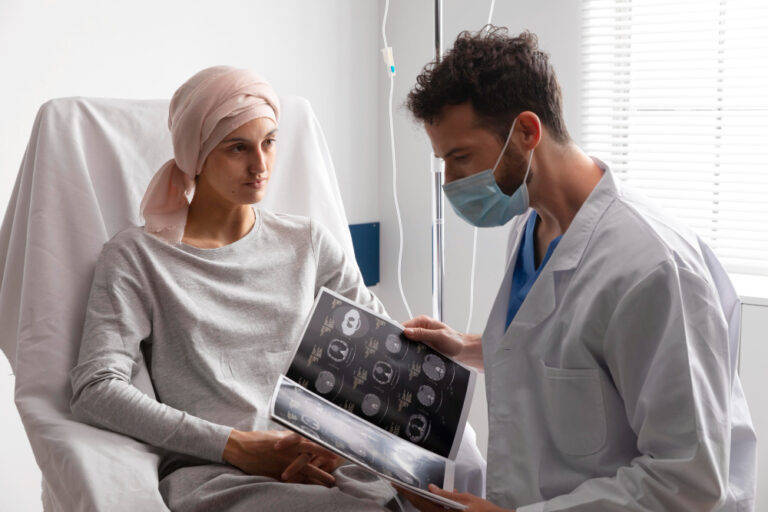
Common Types of Cancer Screenings
Cancer screenings vary depending on age, gender, and risk factors. Here are some of the most common screenings:
- Breast Cancer: Mammograms are recommended for women starting at age 40, or earlier if there is a family history.
- Cervical Cancer: Pap smears and HPV testing are advised for women starting at age 21.
- Colorectal Cancer: Colonoscopies or stool-based tests are recommended for adults beginning at age 45.
- Prostate Cancer: PSA blood tests can help detect prostate cancer in men over 50 or earlier if there are risk factors.
- Lung Cancer: Low-dose CT scans may be recommended for long-term smokers.
- Skin Cancer: Regular dermatology check-ups and self-examinations can help identify suspicious moles or lesions.
While these screenings are standard, doctors may recommend additional tests depending on personal risk factors or genetic predispositions. At Comprehensive Hematology Oncology, we ensure that each patient receives personalized guidance for the most effective screening schedule.
Who Should Get Screened for Cancer?
Screening tests depend on things like your age, sex, health history, and lifestyle. Some tests are recommended for everyone, while others are for people at higher risk. For example:
- If your family has a history of cancer, you may need to start screenings earlier.
- If you have certain genetic risks, like BRCA gene changes, your doctor can suggest a special screening plan.
- People exposed to harmful substances, like cigarette smoke or chemicals, may also need tests sooner or more often.
Even if you feel healthy, getting screened can find problems early. Many cancers can be treated successfully if found early, so regular health checks are very important.
Screening Frequency for Your Health
The frequency of screenings varies by cancer type and individual risk factors. For instance:
- Mammograms are generally recommended every 1–2 years for women over 40.
- Colonoscopies may be needed every 10 years for average-risk adults, but more often for those with risk factors.
- Pap smears are usually done every 3 years, or every 5 years when combined with HPV testing.
- PSA tests may be done annually for men at risk of prostate cancer.
Your doctor will help determine the best schedule based on your age, family history, and overall health. Following these recommendations increases the chance of early detection and effective treatment.
Types of Cancer Screening Tests
The process of screening varies depending on the type of cancer. For example:
- Mammogram: A low-dose X-ray of the breast to detect abnormalities.
- Colonoscopy: A procedure using a flexible tube with a camera to examine the colon.
- Pap Smear: Collection of cells from the cervix to check for precancerous changes.
- Blood Tests: Can detect markers associated with specific cancers, such as prostate or ovarian cancer.
Screenings are generally quick, minimally invasive, and designed to minimize discomfort. If an abnormality is found, your healthcare provider will discuss next steps, which may include further diagnostic tests or a treatment plan. Access to a specialized center like Comprehensive Hematology Oncology ensures that patients receive accurate testing and expert follow-up care, including Cancer Treatment Tampa FL options if needed.
Are Cancer Screenings Safe?
Yes. Most screening procedures are safe, and the benefits usually outweigh any risks. While some procedures like colonoscopies or biopsies carry small risks, these are rare and generally minor compared to the potential life-saving benefits of early detection.
It’s important to discuss any concerns with your doctor beforehand. They can provide information on preparation, what to expect during the procedure, and potential side effects. Being well-informed helps reduce anxiety and ensures a smoother experience.
What If I Have Symptoms? Do I Still Need Screening?
While screenings are primarily for people without symptoms, anyone experiencing unusual signs should consult a doctor immediately. Symptoms like unexplained weight loss, persistent fatigue, unusual lumps, changes in skin or moles, or abnormal bleeding should never be ignored.
Screenings may still be part of the evaluation, but your healthcare provider may recommend more targeted diagnostic tests to determine the cause of the symptoms. Prompt attention to both screening and symptomatic evaluation is critical for early detection and effective treatment.
Steps to Prepare for Your Screening
Preparation depends on the type of screening. For example:
- Fasting may be required before certain blood tests.
- Avoid applying lotions or powders before a mammogram.
- Follow dietary or medication instructions before a colonoscopy.
Your healthcare provider will give specific instructions to ensure accurate results. Proper preparation helps make the screening process more effective and reduces the chance of needing repeat procedures.
Can Screening Prevent Cancer?
Screenings do not prevent cancer, but they can detect it early when it is most treatable. In some cases, screenings can also identify precancerous conditions, allowing interventions that prevent cancer from developing.
For example, removing polyps during a colonoscopy can prevent colorectal cancer. Similarly, early detection of abnormal cervical cells can prevent the progression to cervical cancer. Regular screenings are an essential part of a proactive health strategy to reduce cancer risk and improve outcomes.
When Should I Start Screening?
The age to start cancer screening depends on the type of cancer and personal risk factors. General recommendations include:
- Breast cancer: Women aged 40 and above.
- Cervical cancer: Women aged 21 and above.
- Colorectal cancer: Adults aged 45 and above.
- Prostate cancer: Men aged 50 and above, or earlier if at higher risk.
However, individuals with family history, genetic predispositions, or specific risk factors may need to start earlier. Consulting with a specialized oncology center, such as Comprehensive Hematology Oncology, ensures a personalized approach to cancer prevention and treatment. For anyone concerned about their risk, professional guidance on Cancer Treatment Tampa FL is available.
Final Thoughts: Take Charge of Your Health
Cancer screenings are a vital part of maintaining your health and catching potential issues early. While no screening can guarantee that cancer will be avoided, regular check-ups, understanding your risk factors, and following your doctor’s recommendations greatly increase the chances of early detection and successful treatment.
At Comprehensive Hematology Oncology, our team is dedicated to guiding you through every step of cancer prevention, detection, and treatment. Whether you are due for routine screenings or need advanced care, we provide compassionate, expert services tailored to your needs. Don’t wait, early detection saves lives. For reliable care and expert advice on Cancer Treatment Tampa FL, trust our dedicated team to support you every step of the way. For more details, contact us today!