
Understanding Chemotherapy Treatment: Process, Benefits & Risks
When someone hears the word chemotherapy, it often brings fear, confusion, and many questions. At Comprehensive Hematology Oncology, we believe that understanding your treatment helps you feel more confident and prepared. Chemotherapy is one of the most common and effective cancer treatments available today. It has helped millions of people manage or overcome cancer, and ongoing medical advancements continue to improve outcomes.
If you are exploring Cancer Treatment Tampa FL options, learning about how chemotherapy works, what to expect, and the possible benefits and risks can help you make informed decisions. In this guide, we will walk you through the chemotherapy process, benefits and risks.
What Is Chemotherapy?
Chemotherapy is a type of cancer treatment that uses powerful medicines to destroy cancer cells. These drugs work by targeting cells that grow and divide quickly. Since cancer cells multiply faster than most normal cells in the body, chemotherapy can effectively slow down or stop their growth.
Chemotherapy may be used alone or combined with other treatments such as surgery, radiation therapy, targeted therapy, or immunotherapy. The goal depends on the type and stage of cancer. In some cases, it aims to cure cancer. In others, it helps control the disease or relieve symptoms.
At Comprehensive Hematology Oncology, treatment plans are personalized. Every patient’s condition is different, and chemotherapy is carefully tailored to meet individual medical needs.
How Does Chemotherapy Work in the Body?
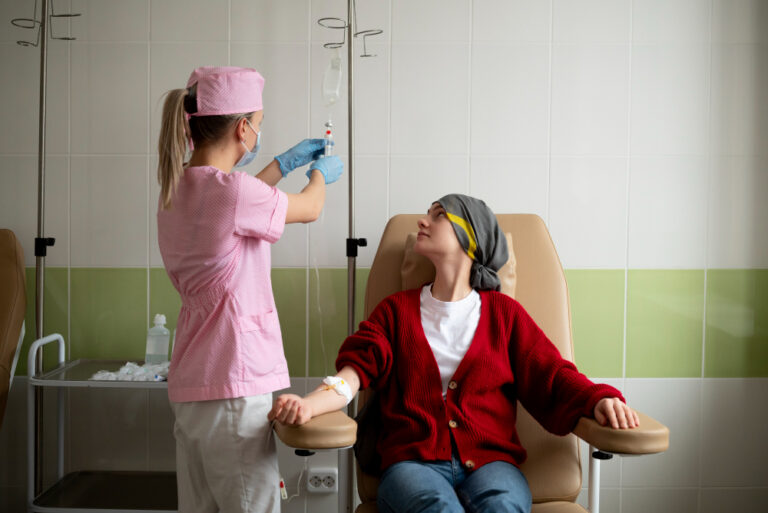
Chemotherapy drugs travel through the bloodstream to reach cancer cells throughout the body. This makes it especially helpful for cancers that have spread (metastasized). Unlike localized treatments such as surgery, chemotherapy can target cancer cells in multiple areas. However, because chemotherapy affects fast-growing cells, it may also impact healthy cells such as those in the hair, digestive system, and bone marrow. This is why side effects can occur. The good news is that healthy cells usually recover after treatment ends.
What Is the Chemotherapy Process Like?
Understanding the chemotherapy process can reduce anxiety and help you feel more prepared.
Initial Consultation and Diagnosis
The journey begins with a detailed medical evaluation. Your oncologist will review test results, imaging scans, and biopsy reports. Based on your cancer type and stage, a customized treatment plan is created. If you are considering Cancer Treatment Tampa FL, your care team will explain why chemotherapy is recommended and what outcomes are expected.
Treatment Planning
Your oncologist will decide:
- The type of chemotherapy drugs
- The dosage
- The method of delivery
- The number of cycles
Chemotherapy is often given in cycles. A cycle includes a treatment period followed by a rest period. This allows your body time to recover.
Methods of Administration
Chemotherapy can be given in several ways:
- Intravenously (IV) through a vein
- Oral pills or capsules
- Injections
- Directly into specific body areas (in some cases)
Most patients receive chemotherapy in an outpatient setting, meaning you can go home the same day.
Monitoring and Follow-Up
During treatment, regular blood tests and scans are done to monitor your response and check for side effects. Your oncologist may adjust the dosage if needed to ensure both effectiveness and safety.
What Are the Benefits of Chemotherapy?
Chemotherapy plays a vital role in modern cancer care. The benefits vary depending on the cancer type and stage.
- Shrinking Tumors: Chemotherapy can reduce the size of tumors before surgery or radiation, making those treatments more effective.
- Destroying Remaining Cancer Cells: After surgery, chemotherapy may be used to eliminate microscopic cancer cells that cannot be seen in imaging tests.
- Preventing Recurrence: In some cases, chemotherapy lowers the risk of cancer coming back.
- Controlling Advanced Cancer: For advanced-stage cancers, chemotherapy can slow disease progression and improve quality of life.
Patients seeking Cancer Treatment Tampa FL often receive comprehensive care that combines chemotherapy with other advanced therapies to improve long-term outcomes.
What Are the Risks and Side Effects of Chemotherapy?
While chemotherapy is effective, it can cause side effects because it affects healthy cells too. However, not everyone experiences severe side effects, and many are manageable.
Common Side Effects
- Fatigue
- Hair loss
- Nausea and vomiting
- Loss of appetite
- Increased risk of infection
- Mouth sores
Modern medicine has significantly improved supportive care. Anti-nausea medications, nutritional guidance, and growth factor injections help reduce discomfort and complications.
Long-Term Risks
In rare cases, chemotherapy may lead to long-term effects such as nerve damage, fertility issues, or heart problems. Your oncologist will discuss potential risks before starting treatment. The key is open communication. Always inform your medical team about any symptoms you experience.
How Should You Prepare for Chemotherapy?
Preparation can make the experience smoother and less stressful.
- Physical Preparation: Eat balanced meals and stay hydrated. Gentle exercise, if approved by your doctor, can help maintain energy levels.
- Emotional Preparation: It is normal to feel anxious. Consider joining a support group or speaking with a counselor. Having family and friends involved can also provide emotional strength.
- Practical Planning: Arrange transportation to treatment sessions if needed. Plan flexible work schedules and allow time for rest.
Can Chemotherapy Be Combined with Other Treatments?
Yes. In many cases, chemotherapy works best when combined with other therapies. This is known as combination therapy.
- Surgery removes visible tumors.
- Radiation targets specific areas.
- Immunotherapy boosts the immune system.
- Targeted therapy attacks specific cancer proteins.
Your oncology team will determine the most effective strategy for your condition.
How Long Does Chemotherapy Treatment Last?
The duration depends on the cancer type, stage, and treatment goal. Some patients undergo chemotherapy for a few months, while others may require longer treatment. A typical cycle may last 2–4 weeks, and several cycles may be required. Regular evaluations help determine if the treatment is working. Patients receiving Cancer Treatment Tampa FL are closely monitored to ensure optimal outcomes while minimizing risks.
What Questions Should You Ask Your Oncologist?
Asking questions empowers you to make informed decisions. Consider discussing:
- What is the goal of this chemotherapy treatment?
- What side effects should I expect?
- How will treatment affect my daily life?
- Are there alternative options?
- What lifestyle changes should I make?
Clear communication builds trust and confidence throughout your treatment journey.
Is Chemotherapy Always Necessary?
Not all cancer patients require chemotherapy. Some early-stage cancers may be treated with surgery alone. Others may benefit more from targeted or hormone therapy. Your oncologist evaluates multiple factors, including tumor size, spread, genetic markers, and overall health before recommending chemotherapy.
How Has Chemotherapy Improved Over the Years?
Cancer treatment has advanced significantly. Modern chemotherapy drugs are more precise and often cause fewer side effects compared to older medications. Advancements in supportive care also help patients tolerate treatment better. Personalized medicine now allows doctors to select drugs based on the genetic profile of the tumor, increasing effectiveness.
Life After Chemotherapy: What to Expect?
After completing chemotherapy, your body needs time to recover. Follow-up visits are essential to monitor your health and detect any recurrence early. Many patients gradually regain energy, hair regrows, and appetite improves. Maintaining a healthy lifestyle with proper nutrition and regular exercise supports recovery. Emotional recovery is just as important. Survivorship programs and counseling services can provide guidance and reassurance.
Why Choose Comprehensive Hematology Oncology?
Choosing the right oncology team makes a difference in your experience and outcomes. Comprehensive Hematology Oncology provides patient-centered care with advanced diagnostic tools and evidence-based treatment plans.
The focus is not only on treating cancer but also on supporting patients emotionally and physically throughout their journey. If you are looking for expert Cancer Treatment Tampa FL services, working with experienced oncologists ensures that your care plan is tailored to your unique needs.
Final Thoughts: Is Chemotherapy the Right Choice for You?
Chemotherapy remains one of the most powerful tools in the fight against cancer. While it may come with challenges, it also offers hope, improved survival rates, and better quality of life for many patients. Understanding the process, benefits, and risks allows you to approach treatment with confidence. Every cancer journey is different, and decisions should always be made in consultation with a qualified oncology specialist.
If you need guidance about Cancer Treatment Tampa FL options, speaking with an experienced oncology team is the first step toward informed and compassionate care. Early diagnosis, personalized treatment plans, and continuous support can make a meaningful difference in outcomes. Cancer treatment is not just about medicine, it is about care, trust, and hope for a healthier future. For more details, schedule your appointment today!