
Obesity and Cancer:
How Weight Impacts Your Risk
Obesity is now one of the most common health problems around the world. While many people know that extra weight can lead to diabetes, heart disease, and high blood pressure, fewer understand its connection to cancer. Studies show that excess body fat may increase the risk of several types of cancer and can also affect recovery during treatment. At Comprehensive Hematology Oncology, patient education plays an important role in spreading awareness about cancer prevention and long-term health.
Understanding how body weight affects the body can help people make healthier lifestyle choices and reduce future health risks. Many individuals searching for reliable information about Cancer Treatment Tampa FL want expert care, early diagnosis, and compassionate support during their cancer journey. Along with proper treatment, focusing on prevention and healthy habits may help lower the risk of serious health conditions, including cancer.
What Is Obesity?
Obesity is a medical condition where the body stores too much fat, which may negatively affect health. Doctors commonly use Body Mass Index (BMI) to measure obesity. A BMI of 30 or higher is usually considered obese.
Obesity can happen for many reasons, including:
- Poor eating habits
- Lack of physical activity
- Stress
- Hormonal changes
- Genetics
- Certain medical conditions
Modern lifestyles with processed foods, sugary drinks, and less physical movement have made obesity more common in both adults and children. While weight alone does not determine someone’s overall health, long-term obesity can place extra strain on the body and increase the risk of several diseases, including cancer.
How Does Obesity Increase Cancer Risk?
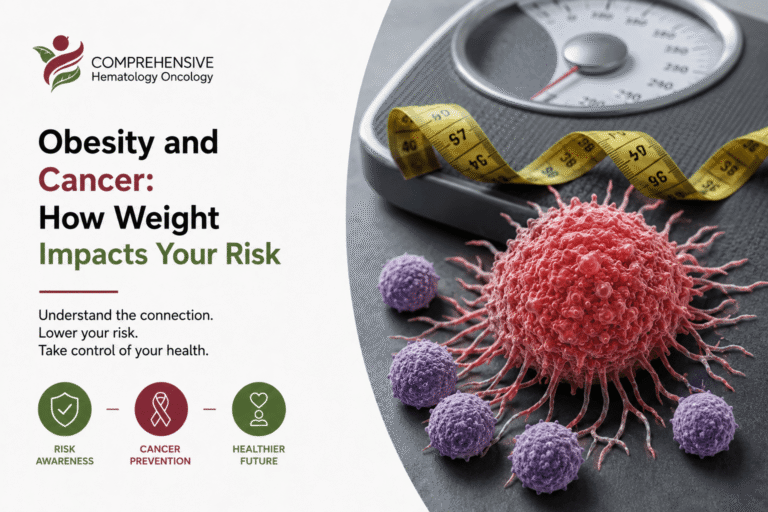
Many people wonder how excess weight affects cancer risk. The answer is related to how obesity changes the body internally. Body fat is not inactive. Fat tissue produces hormones and inflammatory chemicals that can affect how cells grow and function.
When the body stores too much fat, it may lead to:
- Chronic inflammation
- Higher insulin levels
- Hormonal imbalances
- Changes in cell growth
Over time, these changes may damage healthy cells and increase the chances of abnormal cells developing into cancer. In simple terms, obesity can create an environment inside the body where cancer cells are more likely to grow and spread.
Types of Cancer Linked to Obesity
Research has connected obesity to several forms of cancer. Some of the most common include:
Breast Cancer : Obesity may increase the risk of breast cancer, especially after menopause. Extra fat tissue can raise estrogen levels, which may encourage hormone-related cancers to grow.
Colon and Rectal Cancer : Excess weight can affect digestion, insulin levels, and inflammation, increasing the risk of colorectal cancers.
Endometrial Cancer : Women with obesity have a higher risk of endometrial cancer because excess body fat may increase estrogen production.
Kidney Cancer : Obesity may place extra stress on the kidneys and contribute to hormonal changes linked to cancer development.
Pancreatic Cancer : Studies suggest that obesity may increase the risk of pancreatic cancer, one of the more aggressive forms of cancer.
Liver Cancer : Excess fat in the liver can lead to fatty liver disease and inflammation, which may increase the risk of liver cancer over time.
Esophageal Cancer : People with obesity are more likely to experience acid reflux, which can damage the esophagus and raise cancer risk.
Researchers continue to study how obesity may affect additional types of cancer as well.
Can Obesity Affect Cancer Treatment?
Yes, obesity may impact cancer treatment and recovery. Patients with obesity sometimes face additional challenges because excess weight can affect how the body responds to treatment. Conditions commonly linked to obesity, such as diabetes or heart disease, may also complicate treatment plans.
In some cases:
- Surgery may carry higher risks
- Recovery may take longer
- Inflammation may affect how cancer behaves in the body
However, many patients with obesity still respond successfully to cancer treatment. Maintaining a healthier lifestyle during and after treatment may help improve recovery and overall quality of life. Healthcare teams often recommend balanced nutrition, regular physical activity, and healthy lifestyle habits alongside medical treatment.
Why Belly Fat Is Considered More Harmful
Not all body fat affects health in the same way. Belly fat, also known as visceral fat, surrounds internal organs deep inside the abdomen. This type of fat is more active and releases chemicals that can increase inflammation and hormone imbalance.
Visceral fat has been strongly linked to:
- Insulin resistance
- Metabolic syndrome
- Increased cancer risk
A person may appear to have an average body weight but still carry unhealthy levels of abdominal fat. That is why waist size and overall lifestyle habits also matter when evaluating health risks.
Can Losing Weight Lower Cancer Risk?
In many cases, yes. Maintaining a healthy weight may help reduce the risk of several obesity-related cancers.
Even small amounts of weight loss may improve:
- Hormone balance
- Insulin function
- Inflammation levels
- Overall health
Healthy weight management does not require extreme dieting. Small and consistent lifestyle changes often lead to the best long-term results.
Healthy Habits That May Help Reduce Cancer Risk
Focus on Balanced Nutrition
A healthy diet should include:
- Fruits and vegetables
- Whole grains
- Lean proteins
- Healthy fats
Reducing processed foods, sugary drinks, and excessive fast food may support long-term wellness.
Stay Physically Active
Regular physical activity helps maintain a healthy weight and supports overall body function.
Simple activities like:
- Walking
- Cycling
- Swimming
- Stretching
- Daily exercise
can improve overall health and energy levels.
Get Enough Sleep
Poor sleep may affect hormones that control hunger and metabolism. Consistent sleep habits are important for maintaining overall wellness.
Manage Stress
Long-term stress can lead to unhealthy habits and emotional eating. Relaxation techniques, mindfulness, hobbies, and emotional support may help reduce stress levels.
The Role of Hormones in Obesity and Cancer
Hormones help control many important body functions. Obesity can affect hormone balance, especially insulin and estrogen levels. High insulin levels may encourage cell growth, including cancer cells. Excess fat tissue may also increase estrogen production, raising the risk of hormone-related cancers.
These changes can happen slowly over time without noticeable symptoms. This is why preventive healthcare and regular checkups are important. At Comprehensive Hematology Oncology, patient education and early awareness are important parts of helping individuals better understand cancer risks and treatment options.
Obesity in Younger Generations
Unfortunately, obesity is becoming more common among children and teenagers.
Some common causes include:
- Increased screen time
- Processed foods
- Sugary beverages
- Less physical activity
This trend is concerning because obesity at a younger age may increase the risk of long-term health problems, including cancer later in life. Encouraging healthy habits early can help reduce future health risks.
Why Regular Cancer Screenings Matter
Cancer screenings help detect disease early, often before symptoms appear. Early diagnosis may improve treatment success and survival rates. People with obesity may benefit from personalized screening recommendations, especially if they also have:
- A family history of cancer
- Smoking history
- Other medical conditions
Common screenings may include:
- Mammograms
- Colonoscopies
- Blood tests
- Imaging scans
- Physical exams
While screenings cannot completely prevent cancer, they can help identify problems earlier when treatment is often more effective.
How Lifestyle Choices Affect Long-Term Health
Daily lifestyle habits influence:
- Inflammation
- Immune system health
- Hormone balance
- Overall wellness
Simple healthy choices made consistently over time can make a major difference.
Helpful habits include:
- Eating nutritious foods
- Staying physically active
- Avoiding smoking
- Limiting alcohol
- Attending regular medical checkups
Long-term consistency is more important than temporary changes.
Can Someone Improve Health While Losing Weight?
Absolutely. Health improvements can begin even before significant weight loss happens. Better nutrition, increased physical activity, improved sleep, and reduced stress can all positively support the body. People should focus on realistic, sustainable habits instead of quick fixes or extreme diets. Small healthy changes over time often produce the best results.
What Should You Do If You Are Concerned About Cancer Risk?
If you are concerned about obesity and cancer risk, speaking with a qualified healthcare professional is an important first step.
A healthcare provider may recommend:
- Medical evaluations
- Nutritional guidance
- Lifestyle changes
- Preventive screenings
- Physical activity plans
Awareness and early action are powerful tools in cancer prevention. Many individuals searching for reliable Cancer Treatment Tampa FL services also look for guidance about prevention, healthy living, and long-term wellness.
Final Thoughts
Obesity and cancer are more connected than many people think. Extra body fat can affect hormones, increase inflammation, and change the way cells grow, which may raise the risk of different types of cancer. Simple healthy habits like eating balanced meals, staying active, getting enough sleep, managing stress, and going for regular health checkups can support overall wellness and help lower these risks.
At Comprehensive Hematology Oncology, we believe that patient education and early awareness play an important role in better health. If you are searching for trusted guidance and compassionate care for Cancer Treatment Tampa FL, our experienced team is here to support you at every step. Contact us today to learn more or schedule a consultation.