
Common Side Effects of Cancer Treatment Tampa FL and How to Manage Them
Cancer treatment saves lives, but it can also bring challenges that affect daily comfort, energy, and emotional well-being. Patients and families often feel unprepared for the side effects that may appear during or after treatment. Understanding what to expect and how to manage it can make a huge difference in quality of life during recovery.
At Comprehensive Hematology Oncology, patients receiving Cancer Treatment Tampa FL are guided not only through medical care but also through practical ways to cope with treatment-related side effects. Every patient’s experience is unique, but many side effects are common and manageable with the right support and approach.
Why Do Cancer Treatments Cause Side Effects?
Cancer treatments like chemotherapy, radiation, immunotherapy, and targeted therapy are made to destroy cancer cells. These treatments work because cancer cells grow and spread very fast. But some healthy cells in our body also grow quickly, such as cells in the skin, hair, stomach, and blood. When treatment affects these healthy cells, side effects can happen. That’s why people may feel tired, lose hair, have skin problems, or feel sick during treatment. Side effects are different for each person. They depend on the type of treatment, how strong it is, how long the treatment lasts, and the person’s overall health.
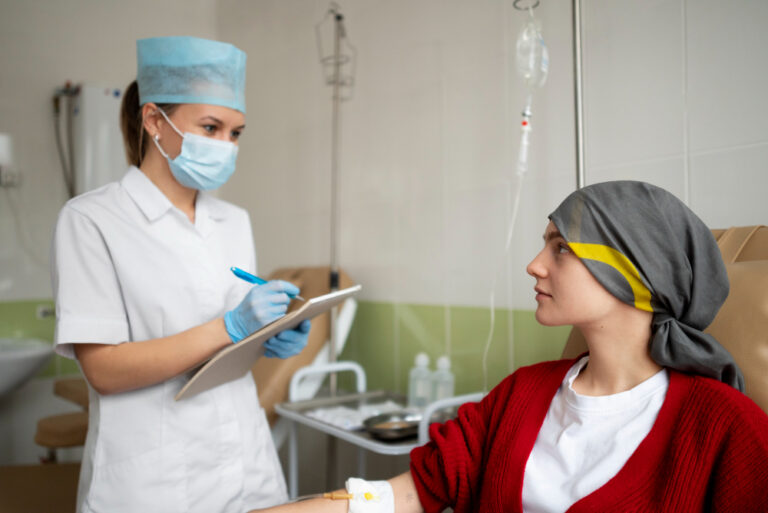
Understanding Fatigue: The Most Common Side Effect of Cancer Treatment
Fatigue is one of the most frequently reported side effects among cancer patients. Cancer-related fatigue is not like normal tiredness. It feels very heavy and exhausting, and rest or sleep does not always make it better. A person may feel very weak in the body, have trouble thinking clearly, or feel emotionally worn out. To manage this fatigue, it helps to take enough rest but also do light activities like short walks. Eating healthy food, drinking plenty of water, and treating problems like low blood levels (anemia), pain, or poor sleep can also help improve energy. Open communication with the care team is essential so adjustments can be made when fatigue becomes severe.
How Can Nausea and Vomiting Be Controlled During Treatment?
Nausea and vomiting are commonly associated with chemotherapy and, in some cases, radiation therapy. While these symptoms can be distressing, they are often preventable or manageable with modern medications. Doctors may prescribe anti-nausea drugs before and after treatment sessions. Eating small, frequent meals, avoiding strong smells, and choosing bland foods can also help. Staying hydrated is important, as dehydration can worsen nausea and delay recovery.
What Causes Hair Loss and Is It Permanent?
Hair loss occurs when cancer treatments affect hair-producing cells. This side effect is most commonly associated with certain chemotherapy drugs but can also happen with radiation therapy in treated areas. For most patients, hair loss is temporary, and regrowth begins after treatment ends. Some people choose wigs, scarves, or hats for comfort and confidence during this time. Preparing emotionally for hair changes and discussing expectations with the care team can help reduce stress related to this side effect.
Understanding Appetite Changes in Cancer Patients
Loss of appetite or changes in taste are common during cancer treatment. Food might taste strange, like metal, bitter, or have very little taste. Because of this, eating may not feel enjoyable. If this continues, a person may eat less, which can cause weight loss or lack of proper nutrition. To manage this, patients can:
- Eat small meals several times a day
- Try different foods, textures, and flavors
- Choose healthy, nutrient-rich foods to stay strong
Simple changes can help make eating easier and healthier. Nutritional counseling can be extremely helpful in maintaining strength and energy during treatment.
Effects of Cancer Treatment on the Digestive System
Digestive issues such as diarrhea, constipation, bloating, or stomach discomfort can occur due to treatment effects on the gastrointestinal tract. These symptoms may vary depending on the type of therapy and individual sensitivity. Managing digestive side effects often includes dietary adjustments, medications, and maintaining adequate fluid intake. Prompt reporting of severe or persistent symptoms is important to prevent complications and maintain treatment schedules.
Can Cancer Treatment Cause Skin and Nail Problems?
Skin reactions are common, especially with radiation therapy and certain targeted treatments. Patients may notice dryness, redness, itching, sensitivity, or nail changes during therapy. Gentle skincare routines, fragrance-free moisturizers, sun protection, and avoiding harsh products can help protect the skin. Any new or worsening skin changes should be discussed with the oncology team for proper care and relief.
How Do Emotional and Mental Health Changes Affect Patients?
Cancer treatment can impact emotional health just as much as physical well-being. Anxiety, sadness, mood swings, and fear are natural responses to a cancer diagnosis and ongoing treatment. Support from mental health professionals, counselors, support groups, and loved ones plays a crucial role in emotional healing. Many patients find comfort in mindfulness practices, journaling, or talking openly about their concerns with their healthcare team.
Understanding Low Blood Counts and Infection Risk
Some cancer treatments affect bone marrow, leading to low red blood cells, white blood cells, or platelets. This can cause anemia, increased infection risk, or easy bruising and bleeding. Regular blood tests help monitor these changes. Doctors may recommend medications, dietary changes, or temporary treatment adjustments to keep patients safe and comfortable throughout therapy.
How Can Patients Actively Manage Side Effects?
Side effect management works best when patients are proactive. Keeping a symptom journal, reporting changes early, following medication instructions, and attending regular follow-up appointments all play an important role. At Comprehensive Hematology Oncology, personalized care plans help patients receiving Cancer Treatment Tampa FL manage side effects effectively while continuing treatment safely and confidently.
Warning Signs That Mean You Should Contact Your Cancer Care Team
Patients should contact their care team if side effects become severe, sudden, or interfere with daily life. Symptoms such as persistent vomiting, high fever, uncontrolled pain, shortness of breath, or confusion should never be ignored. Early communication allows healthcare providers to intervene quickly, preventing complications and improving comfort during treatment.
Final Thoughts
Cancer treatment is a journey that requires physical strength, emotional resilience, and reliable medical support. While side effects are often unavoidable, they are rarely untreatable. With proper guidance, education, and timely care, patients can maintain a better quality of life throughout their treatment experience.
At Comprehensive Hematology Oncology, the focus goes beyond treatment alone, it includes compassionate care, side-effect management, and patient education every step of the way. No one should face cancer treatment without understanding what lies ahead and how to manage it with confidence.
Ready to Take the Next Step in Your Cancer Care?
If you are experiencing side effects during cancer treatment, timely support can make a meaningful difference. The dedicated team at Comprehensive Hematology Oncology is committed to providing personalized care, symptom management, and clear guidance throughout your treatment journey. Don’t wait for side effects to affect your quality of life, schedule a consultation today to discuss your concerns, explore supportive care options, and receive expert, compassionate care you can trust.