
Chemotherapy, Radiation, or Immunotherapy: Which Is Right?
At Comprehensive Hematology Oncology, we understand that a cancer diagnosis leads to challenging questions especially when it comes to selecting the most effective treatment path. One of the most common dilemmas patients and families face is choosing among chemotherapy, radiation therapy, and immunotherapy. Each of these treatment approaches has its strengths, purposes, and unique considerations. If you’re searching for trusted Cancer Treatment Tampa FL, understanding these options can empower you to make informed choices alongside your oncologist.
Cancer care has changed a lot over the years. Earlier, most patients were given the same type of treatment. Today, cancer treatment is more personal. Doctors now choose treatment based on the type of cancer, how the tumor behaves, the patient’s overall health, and what the patient wants from treatment. Chemotherapy, radiation therapy, and immunotherapy are three main cancer treatments, but each one works in a different way. In this simple guide, we will explain how these treatments work, their benefits and side effects, and how doctors decide which treatment or combination is best for each patient.
What Is Chemotherapy and How Does It Work?
Chemotherapy has been used to treat cancer for many years. It uses strong medicines to kill cancer cells that grow and spread quickly in the body. These medicines can be given as tablets, through a vein (IV), or in other ways, depending on the type and stage of cancer.
Many patients wonder, “Will chemotherapy make me feel extremely sick?” While chemotherapy can cause side effects such as fatigue, nausea, or hair loss, advances in supportive care now allow patients to manage these effects more effectively. Importantly, chemotherapy is often recommended for cancers that have spread beyond their original location or for tumors that respond well to systemic treatment.
At Comprehensive Hematology Oncology, we create personalized chemotherapy plans based on your type of cancer, overall health, and lifestyle considerations. Our goal is to maximize treatment effectiveness while minimizing side effects, ensuring that patients continue to enjoy quality of life during therapy.
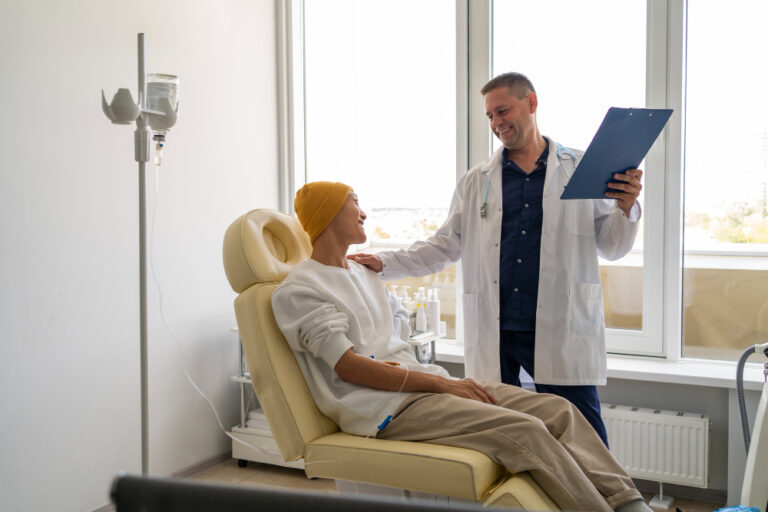
Main Difference Between Radiation Therapy and Chemotherapy
Radiation therapy is different from chemotherapy because it treats only a specific part of the body. It uses high-energy rays or particles to kill cancer cells in one targeted area. Doctors often use radiation when the cancer is limited to one place, or along with chemotherapy to make the treatment work better.
Patients often ask, “Will radiation therapy hurt or cause serious complications?” Modern radiation techniques, including targeted and image-guided therapy, focus energy precisely on cancerous tissue while sparing surrounding healthy tissue. This reduces side effects, which can include mild skin irritation, fatigue, or localized discomfort, depending on the treatment area.
Radiation therapy can be an effective standalone treatment or part of a combined approach, particularly for solid tumors such as breast, prostate, or brain cancers. For many patients, it offers a non-invasive alternative with the potential for excellent outcomes.
Understanding Immunotherapy Treatment
Immunotherapy is one of the most exciting advances in cancer care in recent years. Unlike chemotherapy and radiation, which directly attack cancer cells, immunotherapy works by empowering the body’s own immune system to recognize and fight cancer.
Some patients ask, “Is immunotherapy suitable for all types of cancer?” While immunotherapy is not appropriate for every patient, it has shown remarkable success in treating cancers such as melanoma, certain types of lung cancer, and some blood cancers. At Comprehensive Hematology Oncology, our specialists evaluate your cancer’s characteristics to determine if immunotherapy could be an effective option for you.
Immunotherapy can also be combined with chemotherapy or radiation to enhance results in certain cases. Patients often appreciate this approach because it tends to have fewer traditional side effects compared to chemotherapy, although immune-related effects such as inflammation or fatigue may occur.
How Do Doctors Decide Which Treatment Is Right?
Choosing the right cancer treatment needs careful thinking. Doctors look at many things, like the type and stage of cancer, the patient’s overall health, past medical history, possible side effects, and how the treatment may affect daily life. They also consider the main goal of treatment, whether it is to cure the cancer, slow its growth, or provide comfort and relief.
Many patients ask, “Can I choose my treatment, or is it decided by the doctor?” At Comprehensive Hematology Oncology, we believe in shared decision-making. Our doctors clearly explain all treatment options in simple language, answer your questions, and help you take an active role in choosing the treatment plan that feels right for you.
Some cancers respond better to one treatment modality than another, while others may require a combination approach. For example, chemotherapy may shrink a tumor before surgery, radiation may be used to target residual cancer cells, and immunotherapy may provide long-term immune protection against recurrence.
Common Side Effects You Should Know
All cancer treatments carry potential side effects, and managing them is crucial to maintaining overall well-being.
Chemotherapy can cause nausea, fatigue, hair loss, and increased susceptibility to infections. Anti-nausea medications, dietary adjustments, and regular monitoring help mitigate these effects.
Radiation therapy may lead to localized skin changes, mild fatigue, or irritation depending on the treatment area. Modern techniques allow clinicians to precisely target tumors, minimizing damage to healthy tissues.
Immunotherapy can trigger immune-related effects, including inflammation or hormonal changes. Monitoring and early intervention can reduce complications and ensure treatment continues safely.
Our team at Comprehensive Hematology Oncology works closely with patients to manage side effects proactively, providing nutritional guidance, symptom relief strategies, and emotional support throughout treatment.
Can Treatments Be Combined for Better Outcomes?
One of the most important questions patients ask is whether combining treatments is beneficial. The answer depends on your specific type of cancer and its progression.
- Chemotherapy + Radiation: Often used for solid tumors to maximize tumor shrinkage.
- Chemotherapy + Immunotherapy: May enhance the immune system’s ability to fight cancer.
- Radiation + Immunotherapy: Targeted radiation can sometimes boost immune response, improving the effectiveness of immunotherapy.
Our specialists design individualized treatment plans, often blending modalities for optimal results. Each plan is carefully monitored and adjusted to ensure both efficacy and safety.
How Long Will Treatment Take?
Treatment duration varies widely depending on the type of therapy, cancer stage, and patient response. Chemotherapy may involve cycles over several months, while radiation therapy typically requires daily sessions over a few weeks. Immunotherapy schedules are often intermittent but can extend for months depending on response.
Patients frequently ask, “Will I be able to continue my daily life during treatment?” Many patients maintain work, family, and social activities with careful planning and supportive care. Comprehensive Hematology Oncology provides guidance on balancing treatment with lifestyle, helping patients maintain a sense of normalcy throughout therapy.
Why Choose Comprehensive Hematology Oncology for Cancer Treatment Tampa FL?
Choosing the right cancer center is just as important as choosing the right treatment. At Comprehensive Hematology Oncology, we combine state-of-the-art technology with compassionate care to provide comprehensive solutions for every patient.
- Experienced oncologists specializing in chemotherapy, radiation, and immunotherapy
- Personalized treatment plans based on your unique diagnosis
- Comprehensive support including nutrition, emotional counseling, and symptom management
Patients seeking Cancer Treatment Tampa FL can rely on our team to provide advanced care, expert guidance, and continuous support throughout their cancer journey.
Final Thoughts
Deciding between chemotherapy, radiation, or immunotherapy is complex, but you don’t have to face it alone. Understanding the benefits, risks, and suitability of each treatment option helps patients make informed choices. At Comprehensive Hematology Oncology, we prioritize your health, comfort, and peace of mind while tailoring treatments to achieve the best outcomes.
If you or a loved one is exploring treatment options, reach out to our team for expert guidance. Choosing the right therapy, backed by compassionate care and cutting-edge technology, can make all the difference in your fight against cancer.