
Understanding Lymphoma Rash: Early Signs and What to Do Next
When most people think about lymphoma, they often imagine swollen lymph nodes, fatigue, or unexplained weight loss. However, one of the lesser-known symptoms that may appear early is a skin rash. A lymphoma rash can sometimes be confusing because it may look like common skin conditions such as eczema or psoriasis. Recognizing the early signs and knowing what to do next can make a significant difference in timely diagnosis and care.
At Comprehensive Hematology Oncology, we understand how important it is to identify subtle warning signs. If you are concerned about unusual skin changes or other symptoms, seeking professional guidance for Cancer treatment St. Petersburg FL can help you get clarity and peace of mind.
What Is Lymphoma?
Lymphoma is a type of cancer that begins in the lymphatic system, which is part of the body’s immune system. It mainly affects white blood cells called lymphocytes. There are two main types of lymphoma:
- Hodgkin lymphoma
- Non-Hodgkin lymphoma
Some forms of lymphoma can directly affect the skin. This is known as cutaneous lymphoma. In other cases, skin symptoms may appear as a secondary sign of the disease. Understanding how lymphoma can affect the skin is important because early detection often leads to better outcomes.
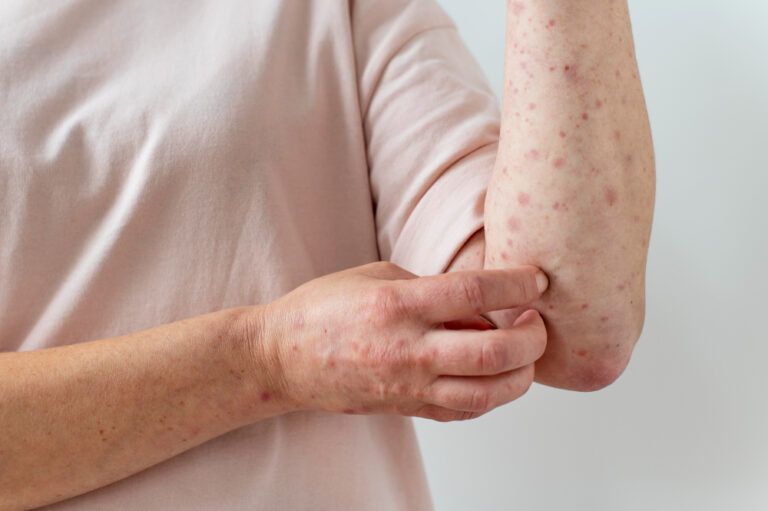
What Does a Lymphoma Rash Look Like?
A lymphoma rash can appear in several different ways depending on the type of lymphoma and how advanced it is. It may show up as:
- Red or purple patches on the skin
- Dry, scaly areas that resemble eczema
- Thickened plaques
- Raised bumps or nodules
- Persistent itching without a clear cause
One of the most common forms of cutaneous T-cell lymphoma is mycosis fungoides. In its early stages, it can look like a simple rash that does not improve with regular creams or treatments. This is why many patients delay seeking medical attention, assuming it is a minor skin issue. If you notice a rash that lasts for weeks, spreads, or becomes increasingly uncomfortable, it is important not to ignore it. Early evaluation at a trusted center for Cancer treatment St. Petersburg FL can help determine the cause and guide the next steps.
Is It Just a Skin Condition or Something More Serious?
This is one of the most common questions patients ask. Many skin conditions share similar symptoms, making it difficult to tell the difference without proper medical evaluation.
Common signs that a rash may need further investigation include:
- Persistent itching that does not improve
- Skin changes lasting more than a few weeks
- Rashes that return after treatment
- Unexplained swelling of lymph nodes
- Night sweats or unexplained weight loss
While most rashes are not cancer-related, it is always better to rule out serious conditions. A thorough physical examination, skin biopsy, and laboratory tests can help confirm whether lymphoma is present. At Comprehensive Hematology Oncology, our team specializes in accurate diagnosis and personalized Cancer treatment St. Petersburg FL, ensuring patients receive the care they need without unnecessary delay.
Why Does Lymphoma Cause a Rash?
Lymphoma affects immune cells, which play a major role in protecting the body. When these cells become cancerous, they may accumulate in the skin, causing inflammation and visible changes.
In some cases, the rash is caused by cancer cells directly invading the skin. In others, it may result from the body’s immune response to the disease. The skin can become dry, irritated, and itchy due to these immune disruptions. Understanding the underlying cause is essential because treatment approaches vary depending on the specific type and stage of lymphoma.
How Is Lymphoma Rash Diagnosed?
Diagnosing a lymphoma rash requires more than just a visual examination. A healthcare provider may recommend:
- A detailed medical history review
- Physical examination of the skin and lymph nodes
- Skin biopsy
- Blood tests
- Imaging studies such as CT or PET scans
A biopsy is often the most important step. It involves removing a small sample of skin tissue to examine under a microscope. This helps determine whether cancerous lymphocytes are present. Early and accurate diagnosis allows doctors to develop a targeted treatment plan. Patients seeking expert Cancer treatment St. Petersburg FL benefits from advanced diagnostic tools and a compassionate care approach tailored to their individual needs.
What Are the Treatment Options?
Treatment depends on the type of lymphoma, its stage, and whether it is limited to the skin or has spread to other parts of the body. For early-stage cutaneous lymphoma, treatments may include:
- Topical corticosteroids
- Light therapy (phototherapy)
- Topical chemotherapy
- Radiation therapy
For more advanced cases, systemic treatments such as chemotherapy, immunotherapy, or targeted therapy may be recommended. The goal of treatment is not only to control the cancer but also to relieve uncomfortable skin symptoms like itching and irritation. At Comprehensive Hematology Oncology, our specialists create customized treatment plans focused on both effectiveness and quality of life.
When Should You See a Doctor?
It is easy to dismiss a rash as a minor problem. However, you should consult a healthcare professional if:
- The rash lasts longer than two to three weeks
- It does not respond to standard treatments
- You experience unexplained fatigue or weight loss
- You notice enlarged lymph nodes
Early evaluation can provide reassurance or lead to timely intervention. The sooner lymphoma is identified, the more treatment options may be available. If you are experiencing symptoms, do not hesitate to explore expert care options for Cancer treatment St. Petersburg FL at Comprehensive Hematology Oncology.
Can a Lymphoma Rash Be Prevented?
Currently, there is no guaranteed way to prevent lymphoma. However, maintaining a healthy lifestyle, attending regular medical checkups, and paying attention to unusual changes in your body can help with early detection. If you have a family history of lymphoma or other cancers, discuss this with your doctor. Awareness and proactive health management are key components of cancer prevention and early diagnosis.
Living With Lymphoma: What to Expect
A lymphoma diagnosis can feel overwhelming. Beyond physical symptoms, many patients experience emotional stress and uncertainty. Comprehensive care involves not just treating the disease but also supporting mental and emotional well-being.
Patients undergoing treatment may experience side effects such as fatigue, skin sensitivity, or changes in appetite. A supportive medical team can help manage these symptoms effectively.
At Comprehensive Hematology Oncology, we prioritize patient education and open communication. Our team ensures that every patient understands their diagnosis, treatment plan, and available support resources.
Final Thoughts: Don’t Ignore Persistent Skin Changes
A rash may seem like a minor issue, but persistent or unusual skin changes should never be overlooked. While most rashes are harmless, some can signal underlying conditions such as lymphoma. If you notice a rash that does not improve, spreads, or is accompanied by other symptoms, seeking medical advice is the best step forward. Early detection and timely intervention can significantly improve outcomes.
Comprehensive Hematology Oncology is dedicated to providing advanced, compassionate Cancer treatment St. Petersburg FL for patients facing lymphoma and other cancers. If you have concerns about a lymphoma rash or related symptoms, schedule a consultation to get the answers and care you deserve. Your health matters, and understanding the early signs is the first step toward effective treatment and peace of mind.