
Understanding the Types of Radiation Therapy Used in Cancer Treatment
When someone hears the word “radiation,” it often sounds overwhelming. But in reality, radiation therapy is one of the most advanced and carefully planned treatments used in modern cancer care. At Comprehensive Hematology Oncology, patients receive personalized care designed to target cancer cells while protecting healthy tissues as much as possible.
If you are exploring options for Cancer Treatment Tampa FL, understanding the types of radiation therapy available can help you feel more confident and prepared. In this guide, we’ll break down how radiation works, the different types used in cancer treatment, and what patients can expect during the process.
What Is Radiation Therapy?
Radiation therapy is a treatment that uses high-energy rays or particles to destroy cancer cells. These rays damage the DNA inside cancer cells so they can no longer grow or divide. Over time, the body naturally removes the damaged cells.
Radiation therapy can be used:
- As the main treatment
- Before surgery to shrink tumors
- After surgery to kill remaining cancer cells
- Along with chemotherapy
- To relieve pain in advanced cancer
Many patients receiving Cancer Treatment Tampa FL are recommended radiation therapy as part of a personalized treatment plan created by their oncology team.
How Does Radiation Therapy Work?
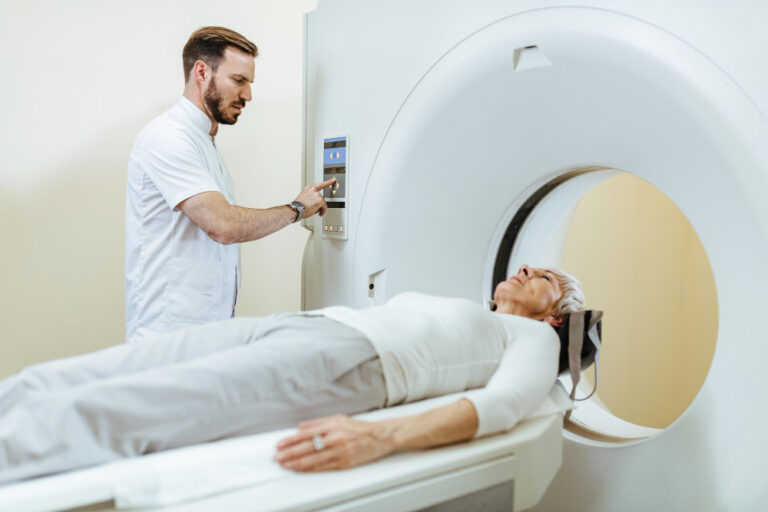
Radiation targets cancer cells more precisely than many people think. Modern machines are designed to focus on the tumor while protecting healthy tissues as much as possible. Treatments are carefully planned using imaging tests like CT scans and MRIs. Radiation does not make most patients radioactive. Once the treatment session is over, it does not stay in the body in most types of radiation therapy. Now let’s understand the different types.
What Are the Main Types of Radiation Therapy?
Radiation therapy is mainly divided into two categories: external beam radiation therapy and internal radiation therapy. Each type is used depending on the location, size, and stage of cancer.
1. External Beam Radiation Therapy (EBRT)
External beam radiation therapy is the most common type. In this method, radiation is delivered from a machine outside the body and directed at the tumor. The machine most commonly used is called a linear accelerator. It moves around the patient and sends focused radiation beams to the affected area.
Why Is External Beam Radiation Common?
This method is popular because it is non-invasive. There are no cuts or implants required. Treatments are usually given five days a week for several weeks, depending on the cancer type. Patients seeking Cancer Treatment Tampa FL often receive external beam radiation for cancers such as:
- Breast cancer
- Lung cancer
- Prostate cancer
- Brain tumors
- Head and neck cancers
2. 3D Conformal Radiation Therapy
3D Conformal Radiation Therapy uses imaging technology to create a three-dimensional image of the tumor. This allows doctors to shape the radiation beams exactly to the tumor’s size and shape. Because the radiation matches the tumor more precisely, there is less damage to nearby healthy tissues. This improves safety and reduces side effects.
3. Intensity-Modulated Radiation Therapy (IMRT)
IMRT is an advanced form of 3D radiation therapy. It allows doctors to adjust the intensity of radiation beams. This means higher doses can be delivered directly to the tumor while minimizing exposure to healthy tissue. IMRT is commonly used for prostate, head and neck, and brain cancers.
4. Image-Guided Radiation Therapy (IGRT)
IGRT uses imaging during each treatment session. Since tumors can move slightly due to breathing or digestion, imaging ensures that radiation is delivered to the exact right spot every time. This technique increases precision and reduces risks.
5. Stereotactic Radiation Therapy
Stereotactic radiation therapy delivers a very high dose of radiation to a small, well-defined tumor area. It is often completed in fewer sessions. This method is commonly used for brain tumors and small lung tumors.
There are two main types:
- Stereotactic Radiosurgery (SRS)
- Stereotactic Body Radiation Therapy (SBRT)
Despite the name, radiosurgery does not involve surgery. It uses focused radiation instead.
6. Internal Radiation Therapy (Brachytherapy)
Internal radiation therapy, also known as brachytherapy, involves placing radioactive material inside or very close to the tumor. Unlike external radiation, this method delivers radiation from within the body. Because the radiation is placed directly near the tumor, it allows a higher dose with less effect on surrounding tissues. Brachytherapy is commonly used for:
- Cervical cancer
- Prostate cancer
- Breast cancer
- Uterine cancer
The radioactive source may be temporary or permanent depending on the treatment plan.
7. Systemic Radiation Therapy
Systemic radiation therapy involves radioactive substances that travel through the bloodstream to target cancer cells. It is usually given by mouth or through an injection. This type is often used for thyroid cancer and some types of bone cancer.
How Do Doctors Decide Which Type Is Best?
The choice of radiation therapy depends on several factors:
- Type of cancer
- Stage of cancer
- Tumor size and location
- Patient’s overall health
- Previous treatments
Oncology specialists carefully review diagnostic scans, biopsy results, and medical history before deciding the most effective treatment plan. If you are considering Cancer Treatment Tampa FL, your medical team will create a personalized strategy tailored to your specific condition.
What Are the Side Effects of Radiation Therapy?
Radiation therapy is generally safe, but side effects can happen. These depend on the area being treated. Common side effects include:
- Fatigue
- Skin irritation
- Hair loss in treated area
- Nausea (if abdomen is treated)
- Difficulty swallowing (if throat is treated)
Most side effects are temporary and manageable. Doctors provide medications and supportive care to reduce discomfort.
How Should Patients Prepare for Radiation Therapy?
Preparation begins with a planning session called simulation. During this visit:
- Imaging scans are performed
- The exact treatment area is mapped
- Marks may be placed on the skin
Patients should follow all instructions from their care team. Staying hydrated, eating balanced meals, and getting enough rest can support recovery during treatment.
Is Radiation Therapy Painful?
Many patients worry that radiation therapy will hurt. The good news is that the treatment itself is painless. You will not feel the radiation while it is being delivered. However, some side effects may cause mild discomfort over time. Your healthcare provider will guide you through managing these symptoms.
How Effective Is Radiation Therapy?
Radiation therapy has been successfully used for decades. In many cancers, it significantly increases survival rates. In some cases, it can completely eliminate tumors. It may also be used to relieve pain in advanced stages of cancer. For example, radiation can reduce bone pain caused by cancer spread. When combined with surgery or chemotherapy, radiation becomes even more powerful.
What Should You Ask Your Doctor?
If radiation therapy is recommended, you may consider asking:
- What type of radiation therapy will I receive?
- How many sessions will I need?
- What side effects should I expect?
- How will this treatment affect my daily life?
- Are there long-term risks?
Being informed helps reduce anxiety and improves confidence in your treatment journey.
Why Early Cancer Detection Matters
Radiation therapy works best when cancer is detected early. Regular screenings and health check-ups are important. If you notice unusual symptoms such as unexplained weight loss, persistent pain, abnormal bleeding, or unusual lumps, consult a healthcare professional immediately. Early diagnosis allows for more treatment options and better outcomes.
Final Thoughts
Radiation therapy plays a major role in modern cancer care. With advanced technology and precise planning, it has become safer and more effective than ever before. Understanding the different types of radiation therapy helps patients make informed decisions. From external beam radiation to brachytherapy and systemic treatment, each option is designed to target cancer while protecting healthy tissue.
If you are exploring options for cancer care, seeking professional guidance is the first step toward recovery. Always consult experienced oncology specialists to determine the best treatment plan for your specific condition. Cancer treatment has advanced significantly over the years, and with proper medical support, hope and healing are always possible.