
Can Cancer Be Detected Years Before Symptoms Appear?
Cancer is one of the most serious health problems affecting millions of people around the world. One of the biggest challenges is that many types of cancer do not show clear symptoms in the early stages. Signs like pain, tiredness, sudden weight loss, or swelling often appear only after the disease has progressed. Because of this, many people wonder if cancer can be detected years before symptoms begin.
Today, medical technology is making early cancer detection more possible than ever. Advanced blood tests, imaging scans, and genetic screenings can help doctors identify possible warning signs before a person feels sick. At Comprehensive Hematology Oncology, patients receive personalized care focused on early diagnosis and effective treatment options. If you are looking for trusted Cancer treatment Tampa FL, understanding the importance of early detection can help improve treatment success and support better long-term health.
Why Early Cancer Detection Matters
Detecting cancer early can make a significant difference in treatment success. When cancer is found in its initial stages, it is usually smaller, less aggressive, and easier to treat. Early-stage cancers may require less intensive therapies and often have higher survival rates compared to advanced cancers.
For example, cancers like breast cancer, colon cancer, cervical cancer, and prostate cancer are often highly treatable when diagnosed early. Routine screenings have already helped save countless lives by identifying abnormal changes before symptoms even begin.
The goal of modern oncology is not only to treat cancer but also to identify it as early as possible. This proactive approach allows doctors to begin treatment sooner and reduce the spread of disease.
How Can Cancer Develop Without Symptoms?
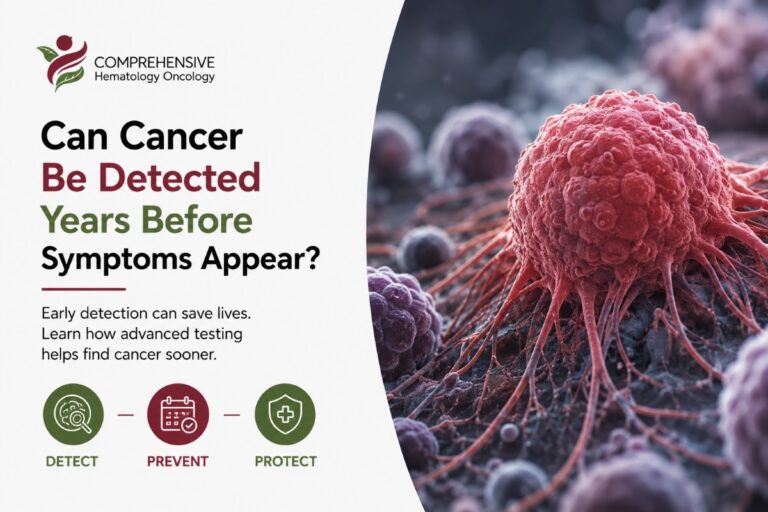
Cancer often begins with tiny genetic changes inside cells. These abnormal cells can grow slowly over several years before forming noticeable tumors or causing physical discomfort. In many cases, the body continues functioning normally during the early stages, which means a person may feel perfectly healthy even while cancer is developing.
Some cancers grow silently because they affect areas of the body that do not immediately cause pain or visible changes. Pancreatic cancer, ovarian cancer, and certain blood cancers are known for remaining undetected until later stages. This is why routine screenings and preventive healthcare are so important. They help doctors identify hidden warning signs before symptoms become severe.
What Tests Can Detect Cancer Early?
Modern medicine now offers several methods that can detect cancer before symptoms appear. These tests are becoming more advanced and accurate every year.
Screening Tests
Cancer screening tests are designed to identify cancer in healthy individuals who may not show symptoms. Common examples include:
- Mammograms for breast cancer
- Colonoscopies for colon cancer
- Pap smears for cervical cancer
- PSA blood tests for prostate cancer
- Low-dose CT scans for lung cancer
These tests can sometimes detect abnormal cells years before they become dangerous.
Blood Tests and Liquid Biopsies
One of the most exciting developments in oncology is the use of liquid biopsies. These blood tests look for cancer-related DNA, proteins, or other markers circulating in the bloodstream. Scientists believe liquid biopsies may eventually help detect multiple cancers at extremely early stages. Some studies suggest these tests may identify cancer before a tumor becomes visible on imaging scans.
Genetic Testing
Certain individuals inherit genetic mutations that increase their cancer risk. Genetic testing can help identify these inherited risks and allow doctors to monitor patients more closely. People with a family history of breast cancer, ovarian cancer, colon cancer, or other hereditary cancers may benefit from early and regular screenings.
At Comprehensive Hematology Oncology, specialists help patients understand their risk factors and recommend personalized screening plans based on family history, lifestyle, and overall health.
Can Artificial Intelligence Help Detect Cancer Earlier?
Artificial intelligence is becoming a powerful tool in cancer diagnosis. AI systems can analyze medical scans, pathology reports, and patient data with remarkable accuracy. In some cases, AI has detected abnormalities that human eyes may miss.
Researchers are using AI to improve the interpretation of mammograms, lung scans, and blood tests. These technologies may eventually allow doctors to detect cancer years earlier than traditional methods. Although AI cannot replace experienced oncologists, it can support faster and more precise diagnoses.
Which Cancers Are Most Commonly Detected Early?
Some cancers are easier to detect early because effective screening methods already exist. These include:
- Breast Cancer : Routine mammograms can often identify breast cancer before a lump can even be felt. Early-stage breast cancer usually has very high treatment success rates.
- Colon Cancer : Colonoscopies can detect precancerous polyps before they become cancerous. This makes colon cancer one of the most preventable forms of cancer.
- Cervical Cancer : Pap smears and HPV testing can identify abnormal cervical cells years before cancer develops.
- Skin Cancer : Regular skin checks can help identify suspicious moles or skin changes early, improving treatment outcomes significantly.
For patients seeking trusted Cancer treatment Tampa FL, early detection combined with advanced care can greatly improve long-term recovery and quality of life.
Are There Warning Signs Before Symptoms Start?
Although some cancers develop silently, certain subtle changes may appear before obvious symptoms occur. These signs are often mild and easy to ignore.
Possible early warning signs may include:
- Unexplained fatigue
- Sudden weight loss
- Persistent fever
- Changes in bowel habits
- Long-lasting cough
- Frequent infections
- Unusual bleeding
- Swollen lymph nodes
These symptoms do not always mean cancer is present, but they should never be ignored. Consulting a healthcare provider early can help identify underlying problems sooner.
Who Should Consider Early Cancer Screening?
Not everyone needs the same type of cancer screening. Doctors usually recommend screenings based on several factors, including:
- Age
- Family history
- Smoking history
- Lifestyle habits
- Genetic conditions
- Previous cancer diagnoses
People with higher risk factors may need earlier or more frequent testing. Regular checkups and discussions with healthcare providers are essential for creating a personalized prevention plan. At Comprehensive Hematology Oncology, patients receive compassionate support and individualized care that focuses on prevention, early diagnosis, and advanced cancer treatment options.
Can Lifestyle Choices Reduce Cancer Risk?
While not all cancers can be prevented, healthy lifestyle habits can lower the risk of developing many types of cancer. Prevention and early detection often work together to protect long-term health.
Some helpful lifestyle changes include:
- Avoid Tobacco Products : Smoking remains one of the leading causes of cancer worldwide. Quitting tobacco can significantly reduce the risk of lung, throat, mouth, and bladder cancers.
- Eat a Healthy Diet : A balanced diet rich in fruits, vegetables, lean proteins, and whole grains supports overall health and may reduce cancer risk.
- Stay Physically Active : Regular exercise helps maintain a healthy weight and supports immune function.
- Protect Your Skin : Using sunscreen and avoiding excessive sun exposure can reduce the risk of skin cancer.
- Limit Alcohol Consumption : Heavy alcohol use has been linked to several types of cancer, including liver and breast cancer.
Healthy habits combined with regular screenings create a stronger defense against cancer.
Is Early Detection Always Accurate?
Although medical technology has improved greatly, no test is perfect. Some screenings may produce false positives or false negatives. A false positive means a test suggests cancer may be present when it is not, while a false negative means cancer is missed. Doctors often use multiple tests and follow-up evaluations to confirm a diagnosis. This is why ongoing monitoring and communication with healthcare professionals are important. Despite these limitations, early screening still remains one of the most effective ways to reduce cancer-related deaths.
The Future of Early Cancer Detection
The future of cancer detection looks promising. Researchers continue developing advanced tools that may identify cancer even before tumors form. Scientists are exploring:
- Multi-cancer blood tests
- Advanced imaging technology
- AI-driven diagnostics
- Personalized genetic screening
- Biomarker research
These innovations may transform cancer care in the coming years by helping doctors detect disease earlier and begin treatment sooner. For individuals looking for dependable Cancer treatment Tampa FL, staying informed about new advancements can help patients make proactive healthcare decisions and improve treatment outcomes.
Final Thoughts
Can cancer be found before symptoms appear? In many cases, yes. With today’s advanced medical technology like regular screenings, genetic testing, liquid biopsies, and other modern tests, doctors can sometimes detect certain cancers at a very early stage. Finding cancer early can help patients start treatment sooner, improve recovery chances, and support a better quality of life.
Taking care of your health with regular checkups and cancer screenings is very important. At Comprehensive Hematology Oncology, patients receive compassionate care, advanced testing, and personalized treatment plans to support their long-term health. If you are worried about cancer risks, need preventive screenings, or want expert guidance, don’t wait. Contact us today and take the first step toward protecting your health.