
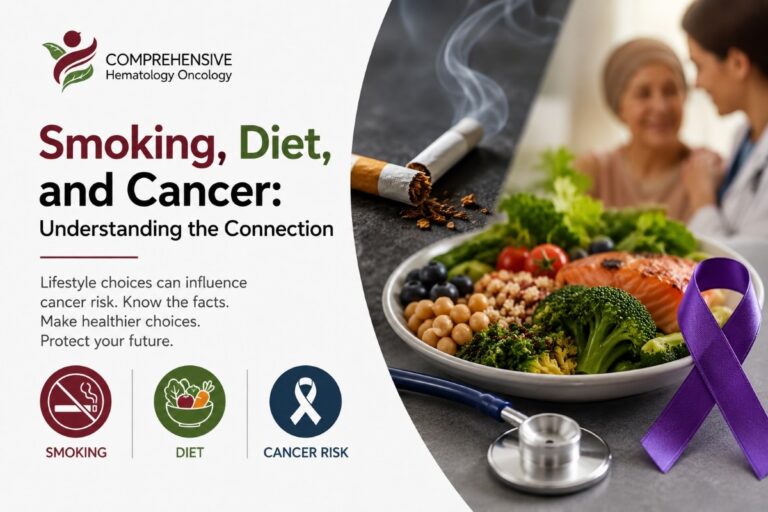
Smoking, Diet, and Cancer: Understanding the Connection
Cancer is one of the most serious health problems worldwide, and daily lifestyle choices can strongly affect the risk of developing it, as well as recovery outcomes. Smoking habits and eating patterns are two of the most important factors that influence how cancer starts and progresses in the body. Making healthy choices in these areas can support better long-term health.
Comprehensive Hematology Oncology focuses on educating patients and providing advanced cancer care. Today, awareness about prevention and early detection is helping people understand how lifestyle changes can improve treatment results. Many patients seeking Cancer treatment Tampa FL are also advised to adopt healthier habits alongside medical care to support recovery and overall well-being.
How Smoking Increases Cancer Risk?
Smoking is one of the leading preventable causes of cancer worldwide. Tobacco smoke contains thousands of harmful chemicals, including many known cancer-causing substances. When a person inhales this smoke, it enters the lungs and spreads through the bloodstream, damaging cells and affecting the body’s normal repair process.
Over time, this damage can lead to changes in DNA that increase the risk of cancers in areas such as the lungs, mouth, throat, pancreas, and bladder. Even second-hand smoke can cause similar health risks. Smoking also weakens the immune system, making it harder for the body to fight abnormal cell growth.
Quitting smoking is an important step in lowering cancer risk and supporting better treatment outcomes at Comprehensive Hematology Oncology. For those considering Cancer treatment Tampa FL, avoiding tobacco is often strongly advised as part of a complete care plan.
What Role Does Diet Play in Cancer Development?
Diet plays an important role in cancer risk. No single food directly causes or prevents cancer, but long-term eating habits can affect how well the body maintains healthy cells. Diets high in processed foods, refined sugar, and unhealthy fats may increase inflammation, weight gain, and metabolic problems, which are linked to a higher risk of cancer. In contrast, a balanced diet with fruits, vegetables, whole grains, and lean proteins helps support overall health and strengthens the immune system.
Nutrients like antioxidants, fiber, and vitamins help protect the body by reducing cell damage caused by oxidative stress. Foods such as berries, leafy greens, nuts, and legumes are especially helpful for maintaining good cellular health. Patients at Comprehensive Hematology Oncology are often advised to follow personalized nutrition plans during Cancer treatment Tampa FL, as good nutrition can improve energy, reduce side effects of treatment, and support faster recovery.
How Do Smoking and Diet Work Together to Influence Cancer?
Smoking and unhealthy eating habits together increase cancer risk more than either one alone. Smoking can reduce the body’s ability to absorb important nutrients, so even a good diet may not fully protect the body if tobacco use continues.
Smoking also increases harmful oxidative stress, while a poor diet does not provide enough antioxidants to fight this damage. This imbalance can lead to cell changes that may turn cancerous. People who smoke and regularly eat processed foods have a higher risk of cancers in the lungs, digestive system, and other organs, and it may also affect how well treatments work.
Comprehensive Hematology Oncology focus on improving lifestyle habits along with medical care, especially for patients receiving Cancer treatment Tampa FL, to support better treatment results and long-term health.
Why Is Early Cancer Treatment So Important in Tampa FL?
Early detection and timely treatment of cancer can greatly improve survival chances and help reduce health complications. When cancer is found at an early stage, treatment is usually more effective and may require less aggressive care.
Patients looking for Cancer treatment Tampa FL can access advanced diagnostic tests and personalized treatment plans focused on precision medicine. Early intervention helps stop the disease from spreading and supports better long-term health outcomes.
Comprehensive Hematology Oncology offers careful evaluation, modern treatment options, and supportive care tailored to each patient’s needs, helping improve both recovery and quality of life.
Can Lifestyle Changes Support Cancer Recovery?
Yes, lifestyle changes can play a major role in supporting recovery during and after cancer treatment. While medical treatment remains the primary approach, supportive habits such as quitting smoking, eating a balanced diet, and staying physically active can significantly improve outcomes.
Patients undergoing care often find that healthy lifestyle adjustments help them manage side effects like fatigue, nausea, and weakened immunity. Even small improvements in daily habits can contribute to better strength and resilience during treatment. At Comprehensive Hematology Oncology, patients receiving Cancer treatment Tampa FL are guided through supportive care strategies that include nutrition counseling and lifestyle recommendations designed to complement medical therapy.
What Foods Should Be Included or Avoided?
A cancer-supportive diet mainly includes whole, minimally processed foods. Fresh fruits and vegetables provide important vitamins and antioxidants, while whole grains supply steady energy and fiber to support overall health.
Lean proteins like fish, chicken, and plant-based options help the body repair tissues during treatment. Healthy fats from olive oil, nuts, and similar sources support cell function and may help reduce inflammation. At the same time, processed meats, sugary snacks, fried foods, and alcohol should be limited, as they can increase inflammation and affect recovery.
Patients at Comprehensive Hematology Oncology as part of their Cancer treatment Tampa FL plan often receive personalized nutrition guidance to support better healing and overall well-being.
How Does Awareness Help in Cancer Prevention?
Awareness is one of the most powerful tools in cancer prevention. When individuals understand how smoking and diet affect their health, they are more likely to make informed lifestyle choices. Educational efforts also help people recognize early warning signs of cancer, such as unexplained weight loss, persistent fatigue, or unusual lumps. Early awareness often leads to earlier diagnosis and better treatment outcomes. Healthcare providers like Comprehensive Hematology Oncology emphasize patient education as part of their care model. This approach is particularly important for those seeking Cancer treatment Tampa FL, where early action can significantly change the course of the disease.
Frequently Asked Questions
Can quitting smoking reduce cancer risk immediately?
Yes, quitting smoking begins to reduce cancer risk almost immediately. Over time, the body begins to repair itself, and the risk of developing smoking-related cancers decreases significantly.
Is diet alone enough to prevent cancer?
No, diet alone cannot guarantee cancer prevention. However, a healthy diet combined with other lifestyle changes can significantly reduce risk.
How important is lifestyle during cancer treatment?
Lifestyle is very important during treatment. Proper nutrition, avoiding tobacco, and staying active can improve treatment effectiveness and recovery.
Conclusion
Smoking and diet are two major lifestyle factors that strongly influence cancer risk and its progression. Smoking exposes the body to harmful carcinogens, while an unhealthy diet can weaken immunity and increase inflammation. When combined, these habits significantly raise the chances of developing cancer, making awareness and prevention very important.
At Comprehensive Hematology Oncology, patients receive advanced care, guidance, and support throughout their cancer journey. If you are looking for Cancer treatment Tampa FL, adopting healthier lifestyle choices along with timely medical care can greatly improve outcomes and quality of life. Take the next step today, schedule a consultation with our specialists to get the right guidance, early detection support, and personalized cancer care.