
Lung Cancer Awareness Month: Early Signs, Risk Factors & Treatment Options
Every November, Lung Cancer Awareness Month turns the spotlight on one of the most common and most survivable, when caught early, cancers in the country. At Comprehensive Hematology Oncology, we use this month to encourage patients across the Tampa Bay area to learn the warning signs, understand their personal risk, and know where to turn for trusted cancer treatment Tampa FL families can rely on. Awareness isn’t just a slogan, it’s often the difference between an early-stage diagnosis and a late-stage one.
In this guide, we’ll walk through the early signs of lung cancer, the biggest risk factors, how the disease is diagnosed and staged, and the full range of treatment options available today.
Why Early Detection Matters?
Lung cancer has a reputation as a difficult diagnosis, and much of that comes down to timing. Early-stage lung cancer often produces mild or no symptoms at all, which means many cases aren’t caught until the disease has already spread. Survival rates improve dramatically when lung cancer is found and treated early which is exactly why screening, symptom awareness, and risk factor education matter so much during Lung Cancer Awareness Month.
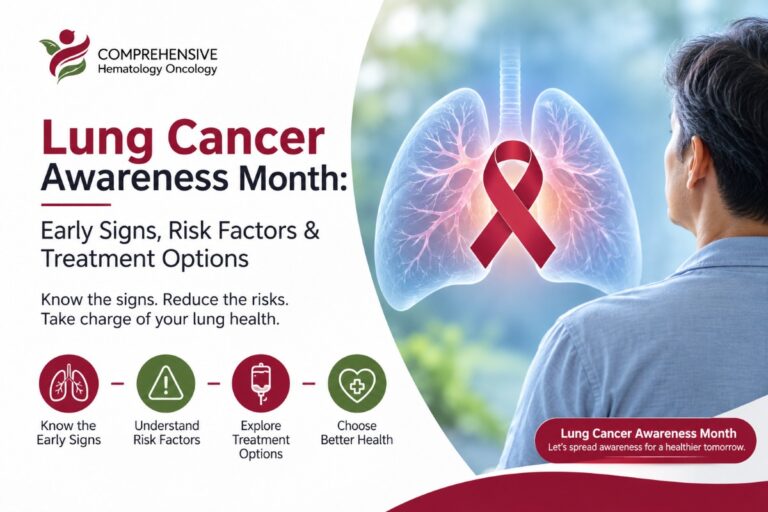
Early Signs and Symptoms of Lung Cancer
Lung cancer symptoms can be subtle at first, which is why they’re frequently mistaken for a lingering cold, allergies, or general fatigue. Signs worth paying attention to include:
A persistent cough that doesn’t go away or worsens over time
Shortness of breath, even during light activity
Chest pain that worsens with deep breathing, coughing, or laughing
Coughing up blood or rust-colored sputum
Unexplained weight loss or loss of appetite
Hoarseness or a change in voice
Recurring respiratory infections, such as bronchitis or pneumonia
Persistent fatigue or weakness
Having one of these symptoms doesn’t automatically mean lung cancer but a combination of symptoms, or any symptom that lingers beyond a few weeks, is worth discussing with a physician.
Who's at Risk? Key Lung Cancer Risk Factors
Understanding your personal risk factors is one of the most proactive steps you can take toward early detection. The biggest contributors to lung cancer risk include:
Smoking: by far the leading risk factor, with risk increasing based on how long and how heavily a person has smoked
Secondhand smoke exposure: regular exposure to someone else’s smoke also raises risk
Radon exposure: a naturally occurring gas and a leading cause of lung cancer in non-smokers
Occupational exposure: asbestos, diesel exhaust, and certain industrial chemicals
Family history: having a close relative with lung cancer may elevate your own risk
Age: risk increases significantly after age 55–65
Prior radiation therapy to the chest: particularly for patients previously treated for another cancer
Having multiple risk factors compounds overall risk, which is part of why individualized screening recommendations matter.
Non-Small Cell vs. Small Cell Lung Cancer
Lung cancer is generally classified into two major types:
Non-Small Cell Lung Cancer (NSCLC) — the most common form, accounting for the large majority of cases, including subtypes like adenocarcinoma and squamous cell carcinoma
Small Cell Lung Cancer (SCLC) — less common but typically more aggressive, often associated with heavy smoking history
The type and subtype of lung cancer significantly influence which treatment approach will be most effective.
How Lung Cancer Is Diagnosed
Diagnosis typically involves a combination of imaging and lab work, including:
Low-dose CT scans : the gold standard for lung cancer screening in high-risk patients
Chest X-rays : often an initial step when symptoms are present
Biopsy : tissue sampling to confirm a cancer diagnosis
Biomarker and genomic testing : identifies specific genetic mutations that can guide targeted therapy decisions
PET scans : used to determine whether and how far cancer has spread
Who Should Get Screened
Current guidelines generally recommend annual low-dose CT screening for adults who:
Are between approximately 50–80 years old
Have a significant smoking history (commonly measured in “pack-years”)
Currently smoke or have quit within the past 15 years
If you fall into a high-risk category, talk to your physician about whether annual screening is right for you, catching lung cancer before symptoms appear is one of the most powerful tools available.
Lung Cancer Prevention Tips
While not every case of lung cancer can be prevented, certain lifestyle changes can meaningfully lower your risk:
Quit smoking : risk decreases steadily the longer a person stays smoke-free, even after years of smoking
Avoid secondhand smoke : limit exposure in homes, cars, and workplaces
Test your home for radon : radon testing kits are inexpensive and widely available
Limit occupational exposure : use proper protective equipment around asbestos, diesel exhaust, or industrial chemicals
Eat a balanced diet : a diet rich in fruits and vegetables is associated with modestly lower lung cancer risk
Stay active : regular physical activity supports overall respiratory and cardiovascular health
Prevention and early detection work hand in hand, reducing risk factors where possible while staying alert to any new or persisting symptoms.
Life After a Lung Cancer Diagnosis
benefit from a broader support system that addresses the emotional and practical sides of treatment, including:
Pulmonary rehabilitation : breathing exercises and physical therapy to improve lung function and stamina
Nutritional counseling : guidance to help manage appetite, weight, and energy during treatment
Mental health support : counseling and support groups for patients and caregivers navigating a diagnosis
Survivorship care : ongoing monitoring, scans, and follow-up appointments after active treatment ends
Comprehensive support alongside medical treatment often makes the biggest difference in how patients experience their care not just whether the cancer responds to treatment, but how manageable the entire journey feels.
Lung Cancer Treatment Options for Cancer Treatment Tampa FL Patients
Treatment plans are built around the cancer’s type, stage, genetic markers, and the patient’s overall health. Common lung cancer treatment options include:
Surgery : removal of the tumor and surrounding tissue, often used for early-stage disease
Chemotherapy : systemic medication that targets rapidly dividing cancer cells
Radiation Therapy : high-precision treatment to shrink or eliminate tumors
Targeted Therapy : precision drugs aimed at specific genetic mutations identified through biomarker testing
Immunotherapy : treatment that helps the immune system recognize and attack cancer cells
Clinical Trials : access to emerging treatments not yet widely available
For many patients, the most effective approach combines more than one of these therapies, coordinated by a multidisciplinary oncology team.
Why Choose Comprehensive Hematology Oncology for Cancer Treatment Tampa FL
Comprehensive Hematology Oncology brings together board-certified oncologists, advanced genomic testing, and on-site infusion and pharmacy services, all designed to move patients from diagnosis to treatment without unnecessary delays. Our multidisciplinary approach means your oncologist, radiation team, and specialists coordinate directly on your care, rather than treating your diagnosis as a series of disconnected appointments. For patients and families across Tampa Bay, that means fewer gaps and more confidence at every step of lung cancer treatment.
Frequently Asked Questions
1. Can you have lung cancer without a cough?
Yes. Early-stage lung cancer often causes no symptoms at all, which is why screening is so important for high-risk individuals, even in the absence of a cough.
2. Who should get a lung cancer screening?
Adults with a significant smoking history, generally between ages 50–80, are typically advised to get annual low-dose CT screening. Your physician can help determine if you qualify.
3. Is lung cancer treatable if caught early?
Yes. Early-stage lung cancer generally has significantly better treatment outcomes and more treatment options, including surgery, compared to cancer diagnosed at a later stage.
4. What is the difference between NSCLC and SCLC?
Non-small cell lung cancer (NSCLC) is more common and tends to grow more slowly, while small cell lung cancer (SCLC) is less common but typically more aggressive.
5. Does quitting smoking reduce lung cancer risk even after years of smoking?
Yes. Risk decreases over time after quitting, although former smokers may still be advised to undergo screening depending on their smoking history.
Take Action This Lung Cancer Awareness Month
Lung Cancer Awareness Month is a reminder that early action saves lives. Whether you’re managing risk factors, noticing early symptoms, or simply due for a screening, the team at Comprehensive Hematology Oncology is here to help. Don’t wait for symptoms to worsen, schedule a consultation today and take a proactive step toward your lung health.